


Why Solar and High-efficiency Heat Pumps Are a Smart Pairing for Massachusetts Homes
More Massachusetts homeowners are looking for ways to make their homes more efficient, more comfortable, and less dependent on traditional energy sources. For many, that means looking at solar panels and heat pumps together.
Solar panels help your home produce clean electricity. High-efficiency heat pumps use electricity to heat and cool your home efficiently. When planned together, these two systems can support a smarter, more connected home energy strategy.
If you are thinking about going solar, upgrading your heating and cooling system, or reducing your reliance on oil, propane, or natural gas, understanding how solar and heat pumps work together can help you make a more informed decision.
What Is a Heat Pump?
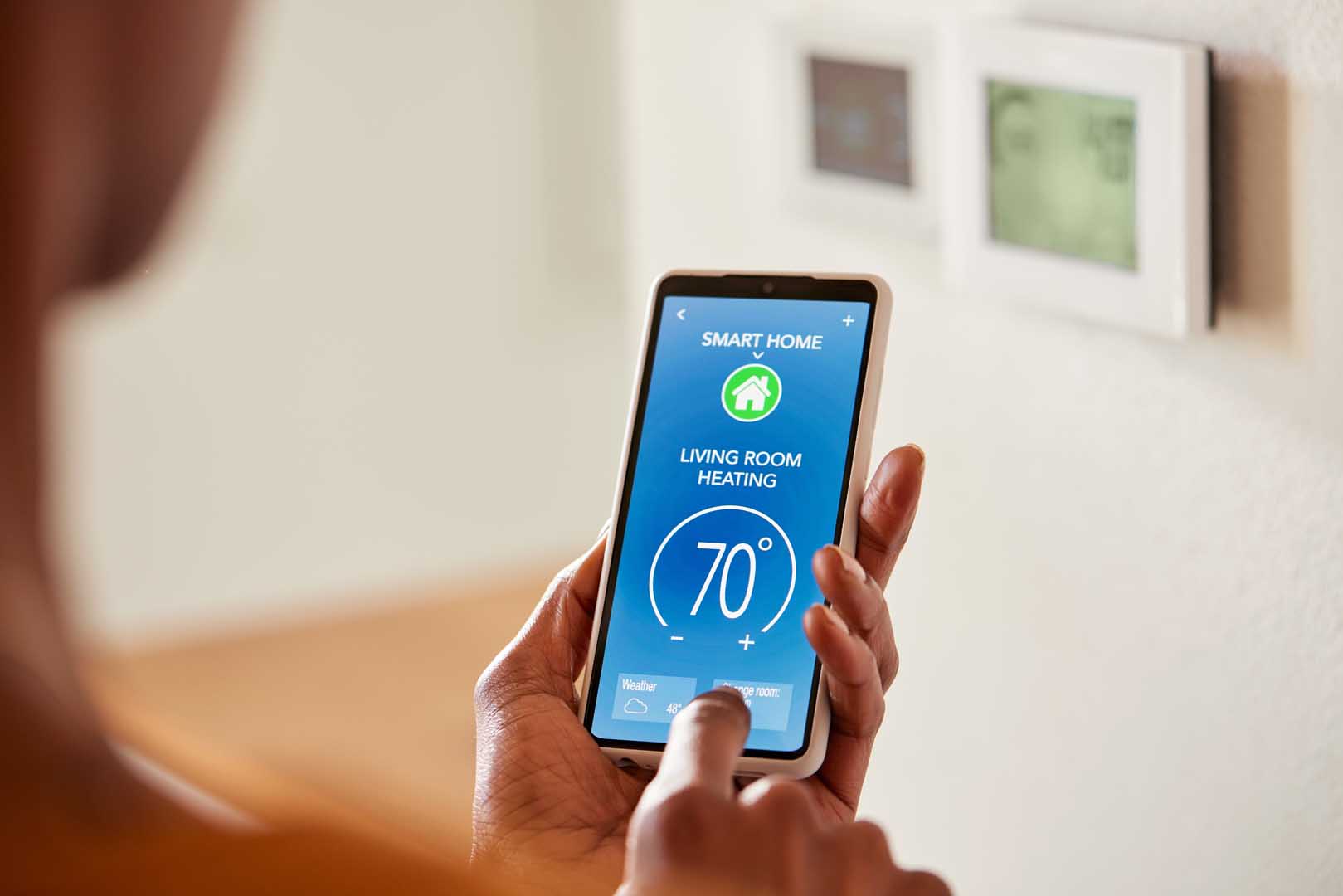
A heat pump is an electric heating and cooling system that moves heat instead of creating it through combustion. In the winter, it pulls heat from the outdoor air and moves it inside. In the summer, it works in reverse by moving heat out of your home to help keep the space cool.
This makes high-efficiency heat pumps a year-round comfort solution. Instead of having one system for heating and another for cooling, a heat pump can help provide both.
For Massachusetts homeowners, this can be especially appealing because heating and cooling are such a major part of home energy use. Mass Save® notes that heat pumps can provide efficient heating in the winter, work as a cooling system, and help dehumidify the air for year-round comfort.
Why Heat Pumps Increase Electricity Use
Because high-efficiency heat pumps run on electricity, installing one can increase your home’s electric usage. That is not necessarily a bad thing. In many cases, that added electricity use may replace or reduce the need for another heating fuel, such as oil, propane, or natural gas.
Still, it is important to plan for the change.
Mass Save® explains that running a heat pump will add to your electrical use, although that additional usage may be offset by savings elsewhere, such as a propane or oil heating fuel bill.
This is one of the main reasons solar and heat pumps can work so well together. If your home is going to use more electricity for heating and cooling, producing your own solar energy can help offset some of that added demand.
How Solar Supports a Heat Pump System
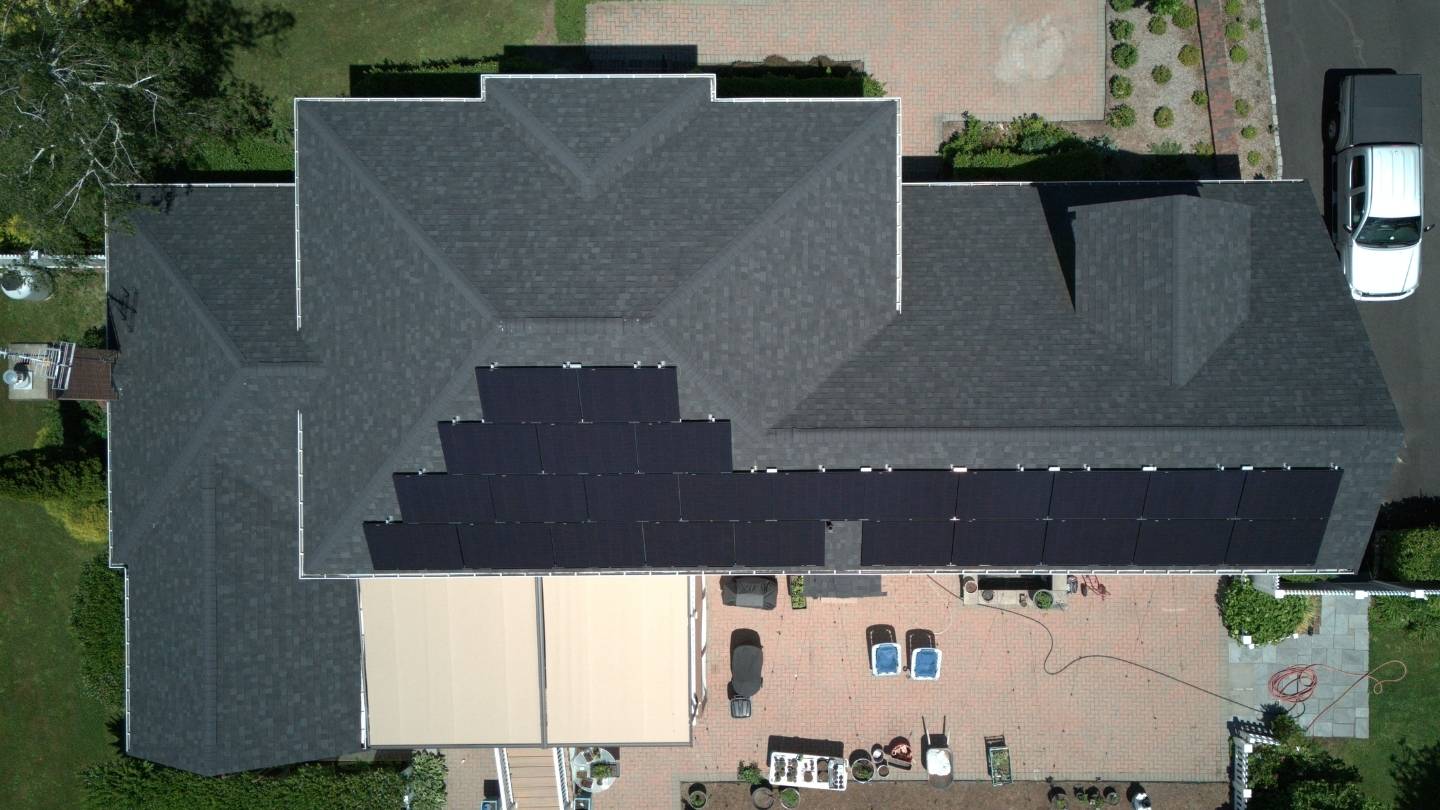
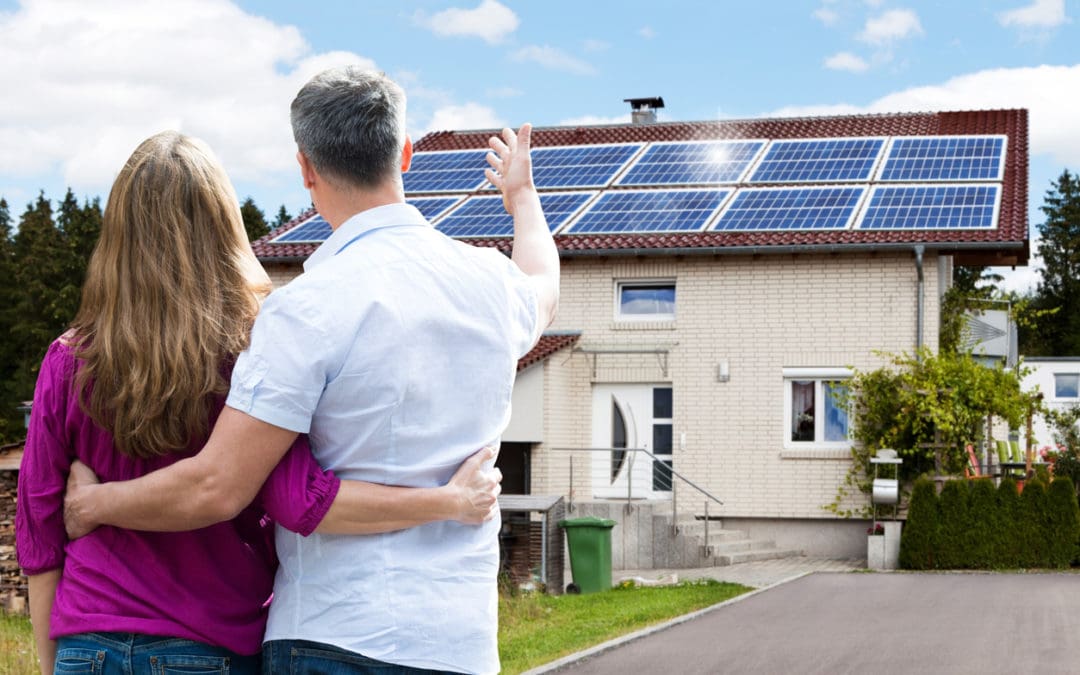
Solar panels generate electricity from sunlight. That electricity can be used throughout your home, including by appliances, lighting, electronics, EV chargers, and heat pumps.
When you pair solar with a heat pump, your solar system can help power a larger portion of your home’s energy needs. This can be especially valuable for homeowners who are intentionally moving away from fossil fuel systems and toward a more electric home.
The goal is not just to add more equipment. The goal is to create a smarter energy system where your home can produce cleaner electricity and use it more efficiently.
Why Planning Both Together Matters
Many homeowners make energy upgrades one at a time. They install solar first, then later add a heat pump. Or they replace their heating and cooling system first, then realize their electric usage has changed.
Both approaches can work, but planning ahead can make the process smoother.
If you know you may install a heat pump in the future, your solar system should be designed with that potential increase in electricity usage in mind. This can help ensure your solar system is sized around your current needs and your future goals.
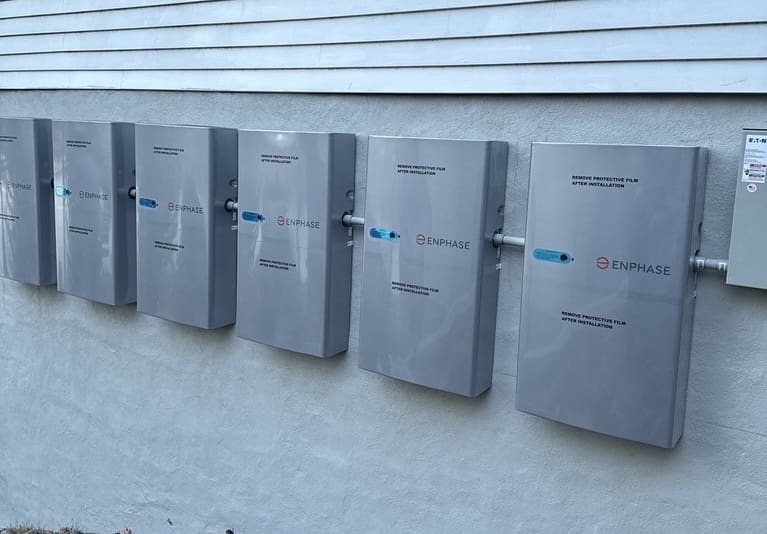
A whole-home energy plan can also help you think through other upgrades, such as battery storage, EV charging, smart panels, and energy monitoring. When everything is considered together, it becomes easier to build a home energy system that works as one connected strategy.
Heat Pump Incentives May Help Lower Project Costs
Massachusetts homeowners may also have access to heat pump rebate and financing opportunities. Mass Save® currently lists air source heat pump rebates for whole-home and partial-home systems, with rebate amounts depending on the project type, equipment, household income, and eligibility requirements. Eligible homeowners may also be able to take advantage of Mass Save® HEAT Loan financing to help make qualifying energy efficiency upgrades more convenient.
Because incentive programs and financing options can change, homeowners should always confirm current eligibility, utility requirements, and equipment qualifications before making a final decision. Contact our team for more information.
Disclaimer: Financing is subject to program requirements, credit checks, participating lender terms, approval, and current Mass Save® guidelines. Eligible measures and maximum loan amounts may change. Contact Future Energy Solar for more information
Is Solar and a Heat Pump Right for Your Home?
Solar and high-efficiency heat pumps may be a smart fit if you want to reduce reliance on fossil fuels, improve year-round comfort, lower long-term energy costs, or prepare your home for future electric upgrades.
They may also be worth considering if you are already planning to replace an aging heating or cooling system, add an EV charger, or create a more efficient whole-home energy strategy.
The right solution depends on your home, your current energy usage, your roof, your heating fuel, your budget, and your long-term goals.
Plan Your Home Energy Future with Future Energy Solar
At Future Energy Solar, we help Massachusetts homeowners think beyond a single upgrade. Our team can help you understand how solar panels, heat pumps, battery storage, EV charging, and smart energy solutions can work together as part of a complete home energy plan.
Whether you are ready to go solar now or are planning future electric upgrades, we can help you design a system that supports your home today and prepares it for tomorrow.