


For a lot of homeowners, the biggest question is not whether a heat pump would improve comfort or efficiency. It is whether the project feels financially manageable right now.
That is where the Mass Save® HEAT Loan often becomes part of the conversation.
If you have heard about the 0% HEAT Loan but are not quite sure how it works, here is a simple breakdown of what Massachusetts homeowners should know.
What is the Mass Save® HEAT Loan?
Mass Save® states that the HEAT Loan offers 0% financing opportunities for eligible energy-efficient upgrades. As of the current published program details, financing could be available up to $25,000 total for qualifying improvements.
For homeowners considering a heat pump project, that can be a meaningful option because it may help spread costs out over time rather than requiring the full investment upfront.
What types of projects may qualify
Mass Save® currently lists several types of qualifying improvements under the HEAT Loan program, including:
- heat pump projects
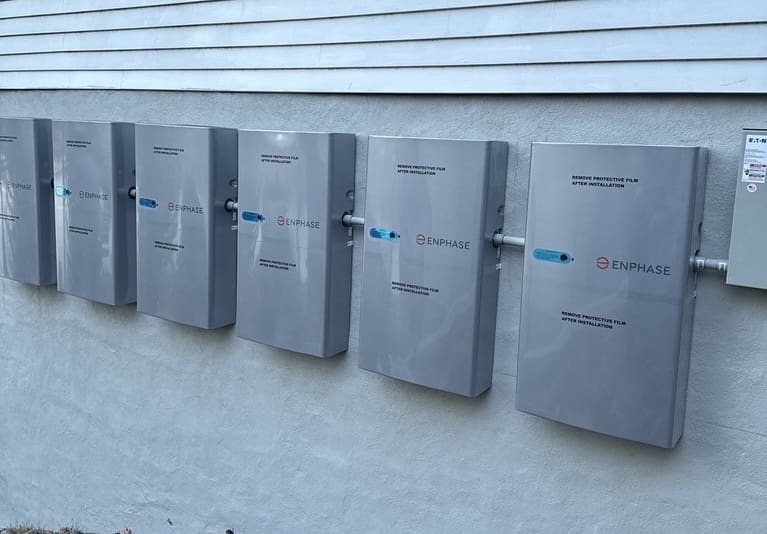
- residential batteries enrolled in ConnectedSolutions
- heat pump water heaters
- insulation and weatherization-related improvements in certain cases
- some pre-weatherization barriers and qualifying windows under specific conditions
That does not mean every project automatically qualifies, but it does mean the HEAT Loan can be part of the conversation for homeowners looking at a broader energy upgrade, not just a single equipment replacement.
Why homeowners look at the HEAT Loan for heat pumps
Heat pumps can be a great upgrade, especially for homeowners who want a more efficient heating and cooling solution or who are trying to reduce reliance on oil, propane, or older equipment.
Even when a homeowner knows the upgrade makes sense, the timing still matters. The HEAT Loan can help bridge that gap by making it easier to move forward with eligible improvements without taking on interest in the same way as many traditional financing options.
For some homeowners, that makes a heat pump project feel much more accessible.
How the process usually works
Mass Save® outlines a step-by-step process for the HEAT Loan.
In general, the process includes:
- confirming eligibility
- choosing a participating contractor
- getting a signed proposal
- completing the loan application through a participating lender
Mass Save® also notes that homeowners should work with a participating contractor and obtain a signed proposal on official letterhead before moving ahead with the application.
From a homeowner perspective, that means it helps to start with a contractor who can not only price the work, but also help explain how the project may fit into the financing process.
Why the proposal matters
A well-prepared proposal does more than show a price. It should help clarify what is being installed, why that system makes sense for the home, and how the project is being approached.
That is especially important for heat pump projects, because proper sizing, home layout, existing equipment, and intended use all matter. A well-structured plan can make the next steps much smoother.
How this fits with rebates
The HEAT Loan and rebates are often discussed together, but they are not the same thing.
Rebates help reduce eligible project costs. Financing helps make the remaining cost more manageable over time.
For many Massachusetts homeowners, that combination is what makes a project feel achievable. Mass Save® specifically notes that the Sponsors offer rebates on heat pumps as well as the opportunity to apply for 0% financing.
A practical way to think about it
The best way to look at the HEAT Loan is as a tool. It is not the right fit for every homeowner, but for many, it can be one of the most helpful parts of the planning process.
If you are considering a heat pump installation and want to understand whether the Mass Save® HEAT Loan may help, Future Energy Solar can help you talk through the project scope, next steps, and what the financing path may look like for your home.
Disclaimer:
Financing is subject to program requirements, credit checks, participating lender terms, approval, and current Mass Save® guidelines. Eligible measures and maximum loan amounts may change. Contact Future Energy Solar for more information