
Multiple Power Levels
Choose from 32A, 48A, or 64A options, matched to your EV and your home’s electrical panel for the right charging performance.
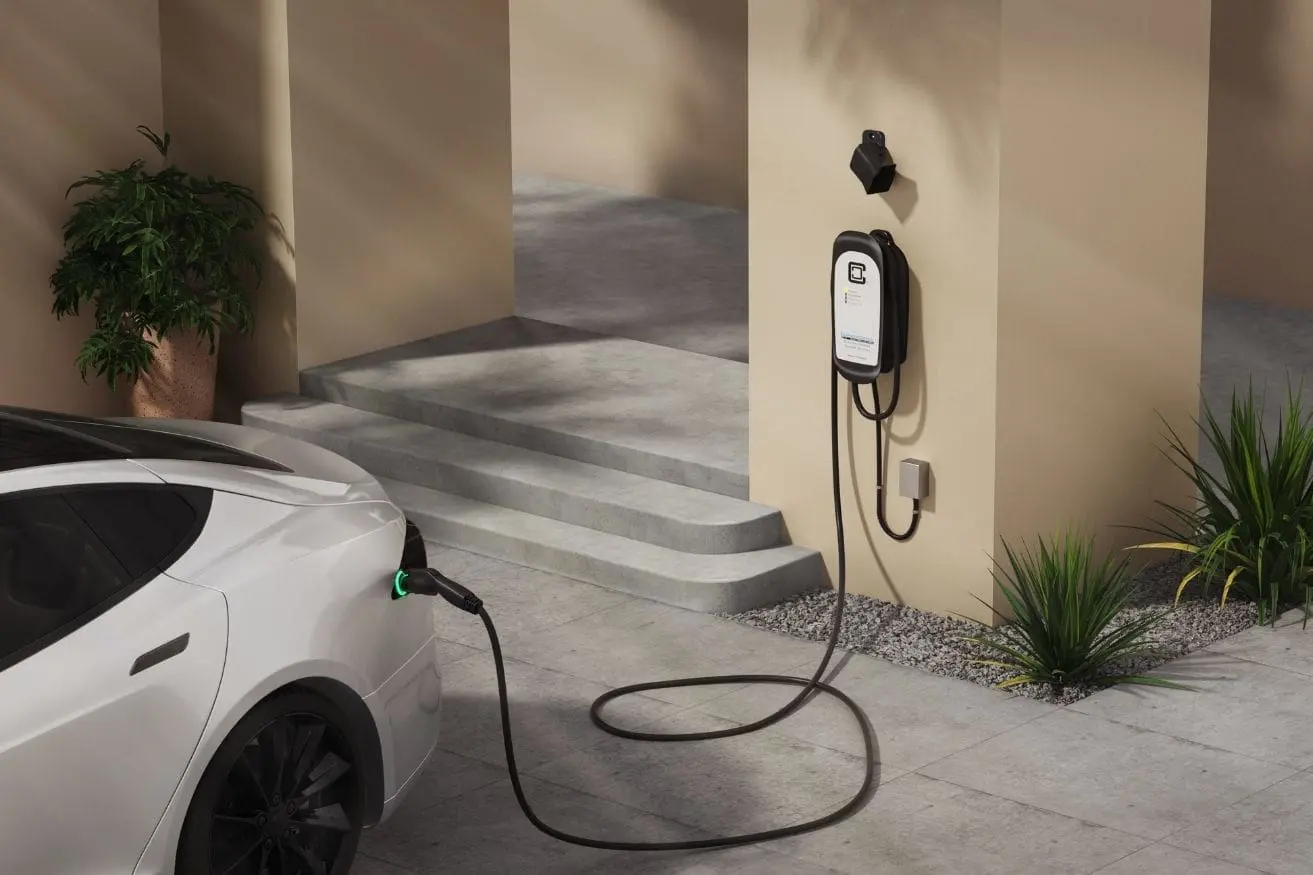
Make charging at home easier with professional EV charger installation from Future Energy Solar. We help Massachusetts homeowners choose home charging solutions that fit their vehicles, electrical systems, and energy goals, with options designed to work alongside solar panels and battery storage.
Smart Charging
Charging your electric vehicle at home offers the convenience of plugging in when you return and starting each day with a charged vehicle. Future Energy Solar provides residential EV charger installation with a focus on safety, compatibility, and long-term performance. We consider your vehicle, electrical setup, preferred charging location, and plans for solar or battery storage to help identify the right solution for your home.
A Level 2 EV charger uses a 240-volt electrical supply and can generally charge your vehicle faster than a standard household outlet, making it a convenient option for overnight charging and everyday driving. Our team helps you evaluate your home’s electrical capacity, determine the appropriate circuit, and consider wiring routes and mounting locations. We’ll also help you choose a charging solution that fits your vehicle’s charging capabilities and your household’s needs.
Clean Charging


Solar Charging
Installing a home EV charger involves more than mounting a unit on the wall. The electrical requirements, charger location, and property layout all influence the installation plan.
01
The first step is understanding your vehicle, typical driving habits, desired charging speed, and preferred charger location. We also consider your home’s existing electrical setup and whether you plan to integrate charging with solar panels or battery storage.
02
We’ll help you compare compatible charging options based on your vehicle, desired features, and electrical requirements. The goal is to select a charger that supports your current needs while making sense for your longer-term energy plans.
03
Your home needs to support the electrical demand of the proposed charger. Depending on the existing setup, installation may require a dedicated circuit or additional electrical work. A panel upgrade may be necessary in some homes, but it is not automatically required for every installation. We evaluate the relevant requirements so you can understand what your installation may involve before moving forward.
04
The installation plan depends on your property and the charger selected. Applicable electrical permits, inspections, and approvals must be addressed where required. Our team will explain the relevant steps for your project and coordinate the work included in your installation.
Solar Charging
Future Energy Solar offers home EV charging solutions from established manufacturers. We help you evaluate the available options based on your vehicle, electrical system, desired charging features, and plans for solar integration.
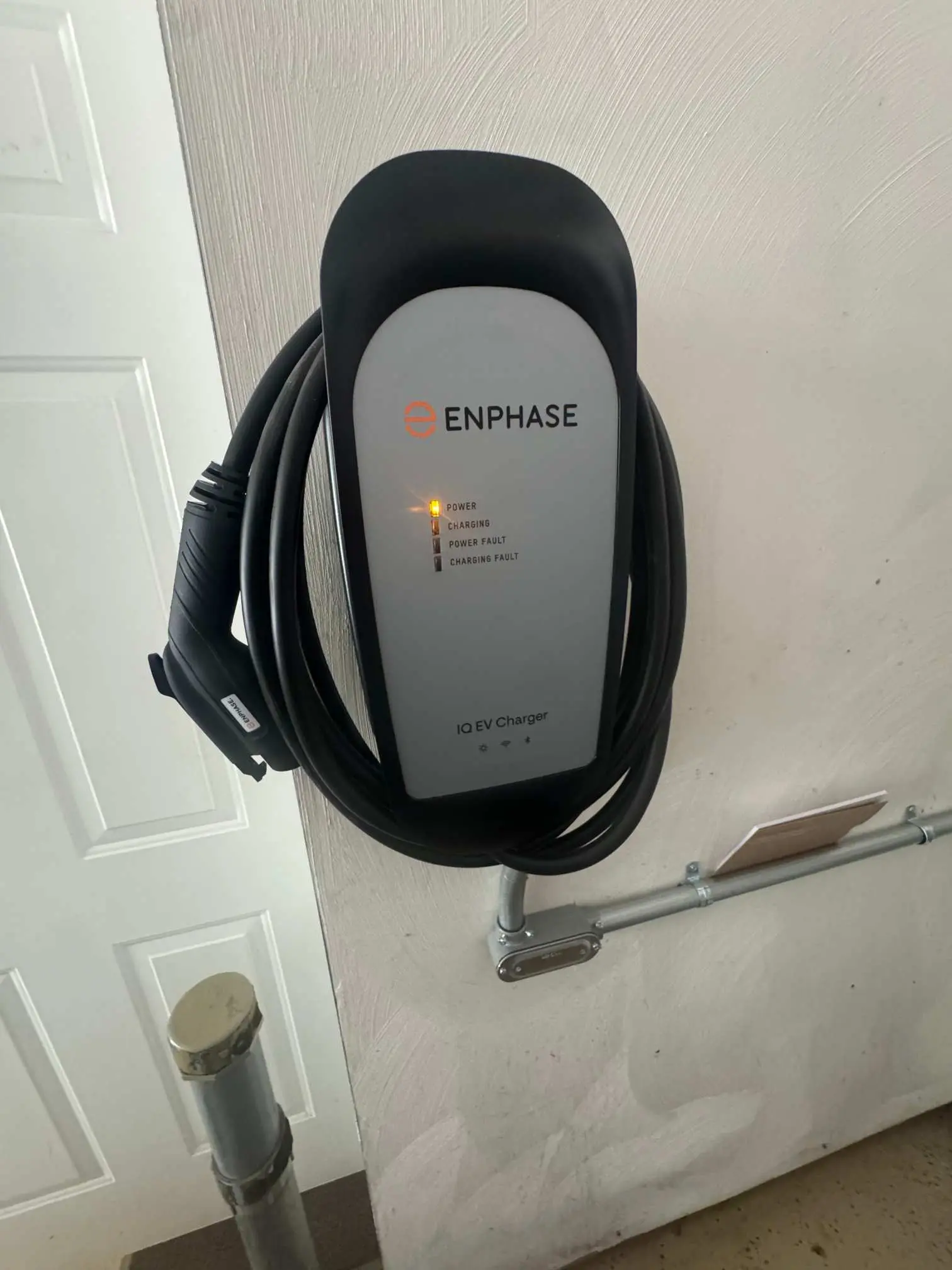
The Enphase IQ EV Charger is a smart charging option for homeowners interested in connecting EV charging with an Enphase home energy system. Compatible configurations can provide visibility into energy use and charging through the Enphase App.
Features and available charging power depend on the selected model and system configuration. Our team can help you evaluate compatibility with your vehicle and existing Enphase equipment.
The Tesla Universal Wall Connector is designed for home charging and supports compatible Tesla and non-Tesla electric vehicles through its connector design. It offers smart charging controls through the Tesla app and can be considered for garages, driveways, and other suitable installation locations.
For homes with solar panels or battery storage, we can discuss how the charger may fit into your broader energy setup. Final compatibility and performance depend on your vehicle, electrical installation, and equipment configuration.
Energy Integration
Cities
FAQ
The cost of home EV charger installation depends on the charger selected, the distance between the electrical panel and charger location, your home’s existing electrical capacity, and whether additional wiring or electrical upgrades are needed. Future Energy Solar considers your property and charging needs to help determine the appropriate installation scope. Request an assessment to understand the requirements and costs associated with your home.
Not necessarily. Some homes have sufficient electrical capacity for a Level 2 EV charger, while others may need additional electrical work or a panel upgrade. The answer depends on your existing electrical service, household loads, and the charger’s requirements. Future Energy Solar can help evaluate these considerations before you select an installation solution.
Installation time varies depending on the charger location, wiring requirements, electrical capacity, and whether additional work or approvals are needed. A straightforward installation may be completed more quickly than one requiring extensive wiring or an electrical upgrade. Future Energy Solar can explain the expected scope and scheduling for your particular project.
Yes, a home EV charger can be used in a home with solar panels. The amount of solar electricity available for charging depends on your system’s production, household electricity use, and charging schedule. Compatible smart charging equipment may help coordinate charging with solar generation, although grid electricity may still be needed depending on conditions and your system setup.
Potential incentives depend on the programs available at the time of installation, your utility, equipment requirements, and homeowner eligibility. Some programs may support qualifying Level 2 chargers or related electrical work, but incentives and rebate amounts can change. Future Energy Solar can help you identify questions to review when evaluating available incentives. Confirm current program rules and eligibility before relying on a rebate when budgeting for installation.
Free Home Energy Analysis
