



Why More Massachusetts Homeowners Are Pairing Solar Panels with Battery Storage
Solar energy has become one of the most effective ways for Massachusetts homeowners to take control of rising electricity costs, reduce reliance on the grid, and invest in a cleaner energy future. But for many homeowners, solar panels are only the beginning.
More families are now choosing to pair solar panels with battery storage to create a smarter, more resilient home energy system. With solar, your home can produce its own electricity. With battery storage, you can store more of that energy and have it available when you need it most.
For homeowners who want more peace of mind during power outages, more control over their energy use, and a stronger long-term energy strategy, solar plus battery storage is becoming a practical and powerful combination.
Solar Helps You Produce Power. Battery Storage Helps You Use It Smarter.
A solar panel system produces electricity during the day when sunlight is available. That energy can be used to power your home, and in many cases, excess energy may be sent back to the grid through net metering.
Battery storage adds another layer of control. Instead of relying only on the grid when the sun goes down or during an outage, a home battery can store excess solar energy for later use. This means your home can hold onto more of the power your solar system produces and use it when it may be more valuable, such as in the evening, during peak demand times, or when the grid is down.
For Massachusetts homeowners, that added flexibility can make a meaningful difference.
Backup Power Is a Major Reason Homeowners Are Adding Batteries
Power outages are inconvenient at best and disruptive at worst. Whether caused by storms, grid strain, fallen trees, or unexpected utility issues, losing power can interrupt work, comfort, food storage, internet access, medical equipment, and day-to-day routines.
A battery storage system can help provide backup power to essential parts of your home when the grid goes down. Depending on the system design and battery capacity, homeowners may be able to keep important circuits running, such as refrigeration, lighting, internet, and other critical loads.
This is one of the biggest reasons homeowners are asking about solar batteries. Solar panels alone typically do not power your home during an outage unless they are paired with the right battery storage and backup configuration. With a properly designed solar plus battery system, your home can be better prepared when outages happen.
Battery Storage Can Help You Use More of the Solar Energy You Produce
Without a battery, solar energy is used as it is produced. If your system produces more electricity than your home needs at that moment, the excess may be sent back to the grid.
That can still be beneficial, but many homeowners like the idea of keeping more of their solar energy available for their own use. Battery storage gives you that opportunity.
For example, your solar panels may produce the most electricity in the middle of the day when your household is using less power. A battery can store some of that extra production so you can use it later in the evening when your family is home, appliances are running, and energy demand is higher.
This makes solar feel less like a daytime-only energy source and more like part of a complete home energy system.
In Massachusetts, eligible battery systems may qualify for ConnectedSolutions, a utility incentive program that can provide additional payments for using stored battery energy during periods of high grid demand. This can help increase the long-term value of a solar + battery system. Contact Future Energy Solar for more information about ConnectedSolutions.
Battery Storage Makes Even More Sense as Homes Become More Electric
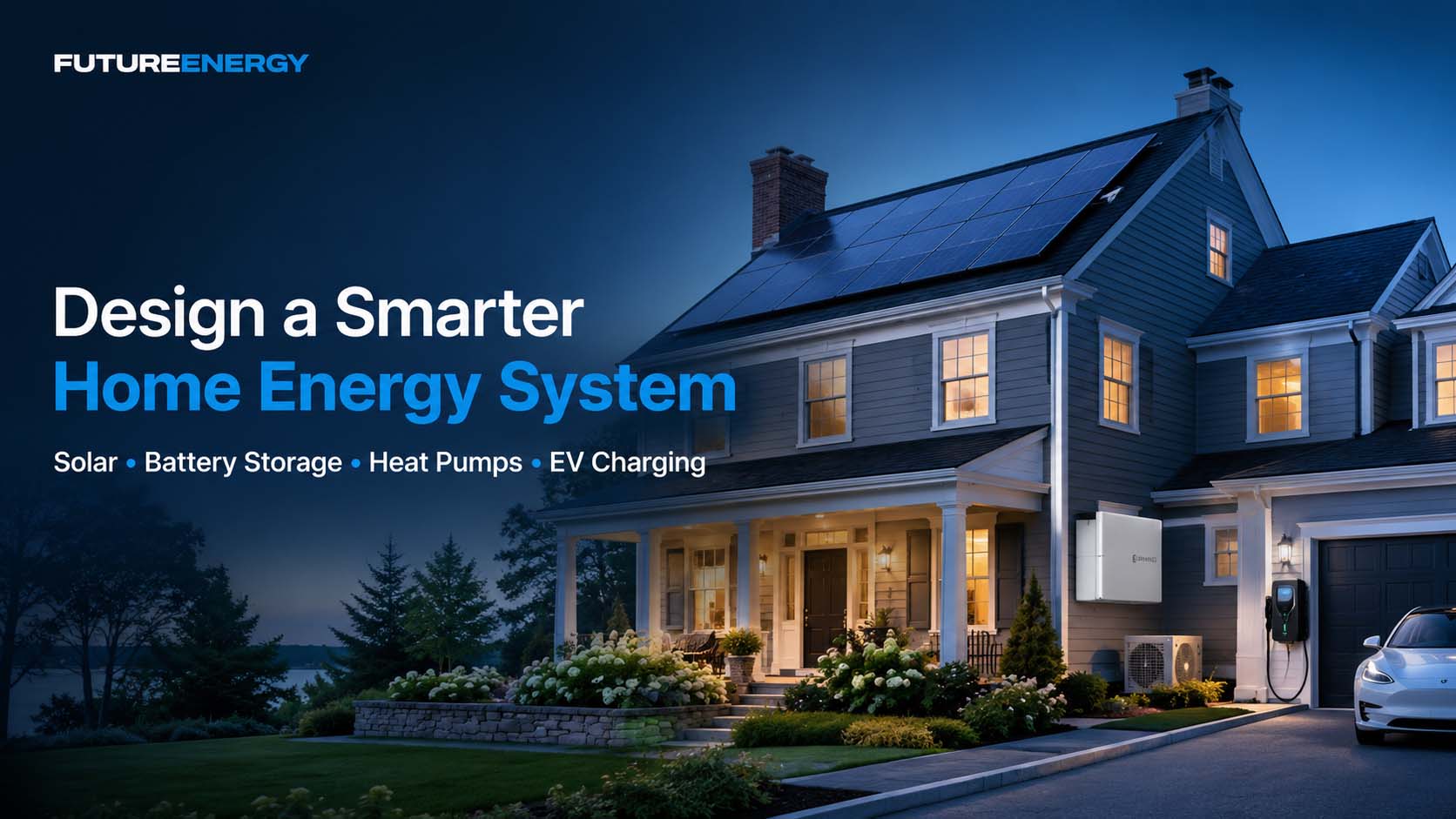
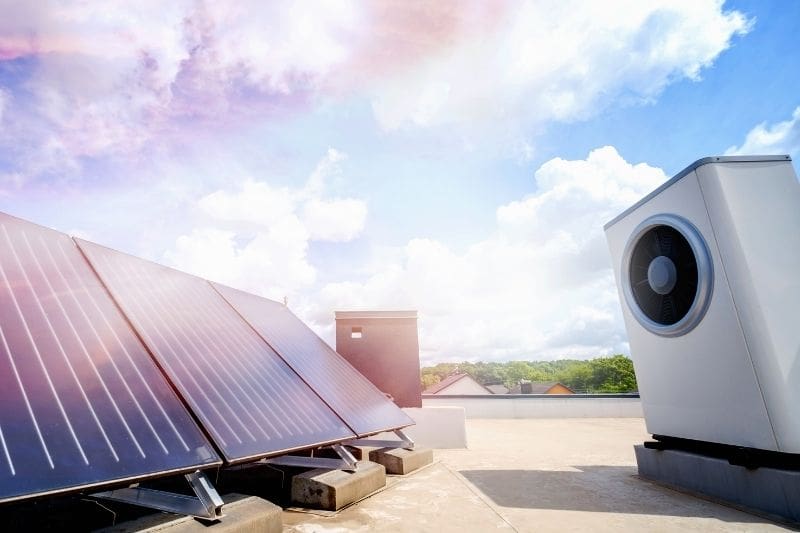
Many Massachusetts homeowners are not just thinking about solar anymore. They are also considering heat pumps, EV chargers, smart panels, and other electric home upgrades.
As more parts of the home become electric, household electricity usage can increase. That does not mean these upgrades are a bad idea. In fact, they can be part of a more efficient and modern home energy plan. But it does mean homeowners should think strategically about how their energy system is designed.
If you are planning to add an EV charger, switch to heat pumps, or make your home more energy efficient over time, pairing solar with battery storage can help create a stronger foundation. Instead of looking at each upgrade separately, you can think about how your home produces, stores, and uses energy as one connected system.
Should You Add Battery Storage to Your Solar System?
Battery storage may be a good fit if you want backup power during outages, prefer to use more of your own solar energy, or are interested in reducing reliance on the grid. It may also make sense if you plan to add an EV charger, heat pump, or other electric home upgrade in the future.
That said, every home is different. Some homeowners may only need solar right now. Others may want a battery-ready system so they can add storage later. Some may benefit from installing solar and storage together from the start.
The right solution depends on your home, your utility, your energy usage, your budget, and your long-term goals.
Build a More Resilient Home Energy System with Future Energy Solar.
At Future Energy Solar, we help Massachusetts homeowners look beyond a one-size-fits-all solar installation. Our team can help you explore solar panels, battery storage, EV charging, heat pumps, and smart energy solutions that work together as part of a complete home energy strategy.
Whether you are just starting to explore solar or are ready to add battery backup to your home, we can help you understand your options and design a system that supports your goals.