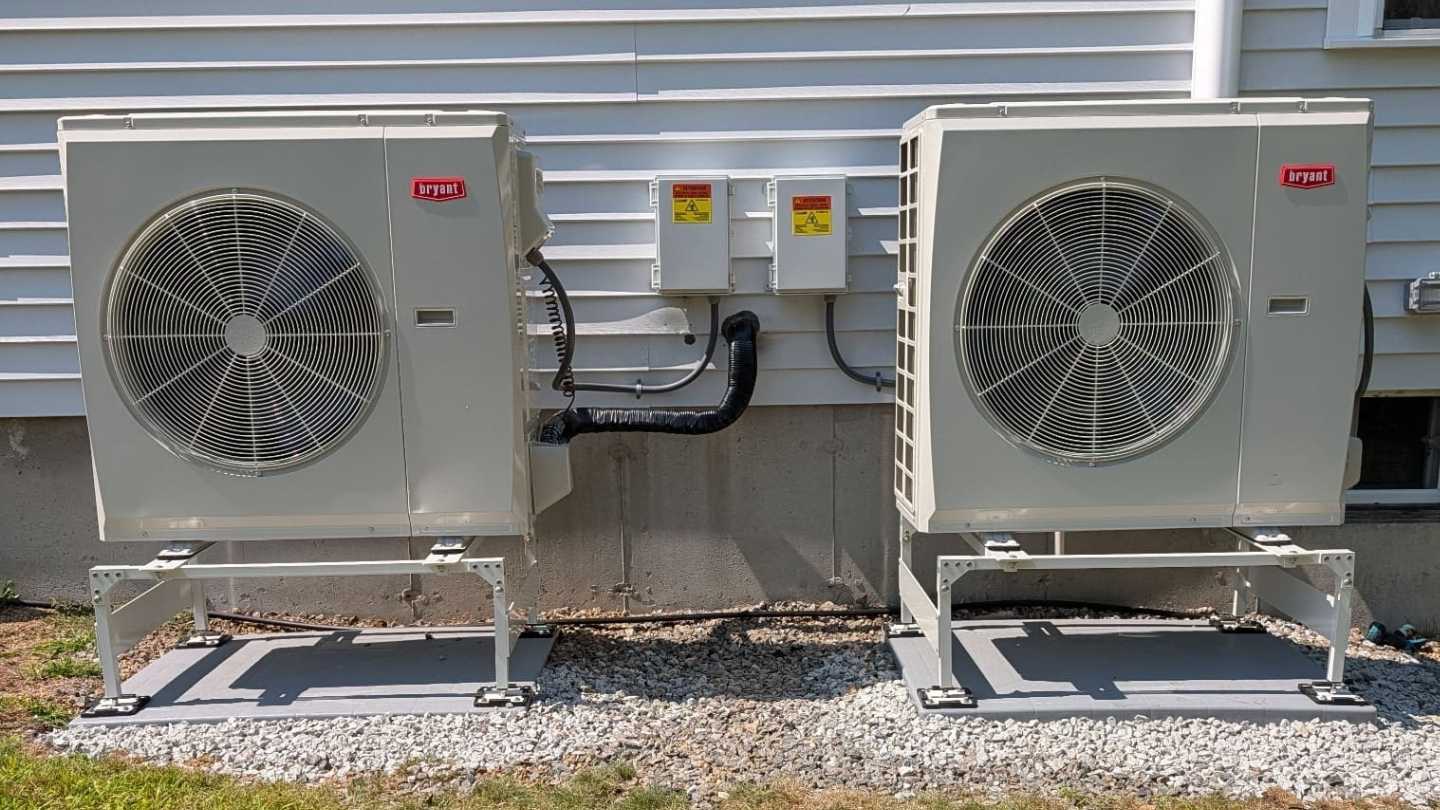
Many homeowners wonder, do heat pumps work in cold weather? The answer is yes. Thanks to advances in technology, today’s cold climate heat pumps are specifically designed to operate efficiently even when temperatures drop below freezing. They provide reliable heating while using significantly less energy than many traditional heating systems.
Modern heat pumps have become an excellent solution for homeowners looking to reduce energy costs, improve home comfort, and lower their environmental impact. When combined with solar ownership, regular solar maintenance, and other energy-efficient upgrades, heat pumps can help create a more sustainable and cost-effective home.
Modern Heat Pumps Are Built for Cold Climates
Older heat pump models may have struggled during extremely cold weather, but today’s systems are much more advanced. Modern cold climate heat pumps use variable-speed compressors and improved refrigerant technology that allow them to continue extracting heat from outdoor air, even in below-freezing temperatures.
This means homeowners no longer have to worry about whether heat pumps work in cold weather. Many systems maintain excellent heat pump winter performance while providing consistent indoor comfort throughout the winter months.
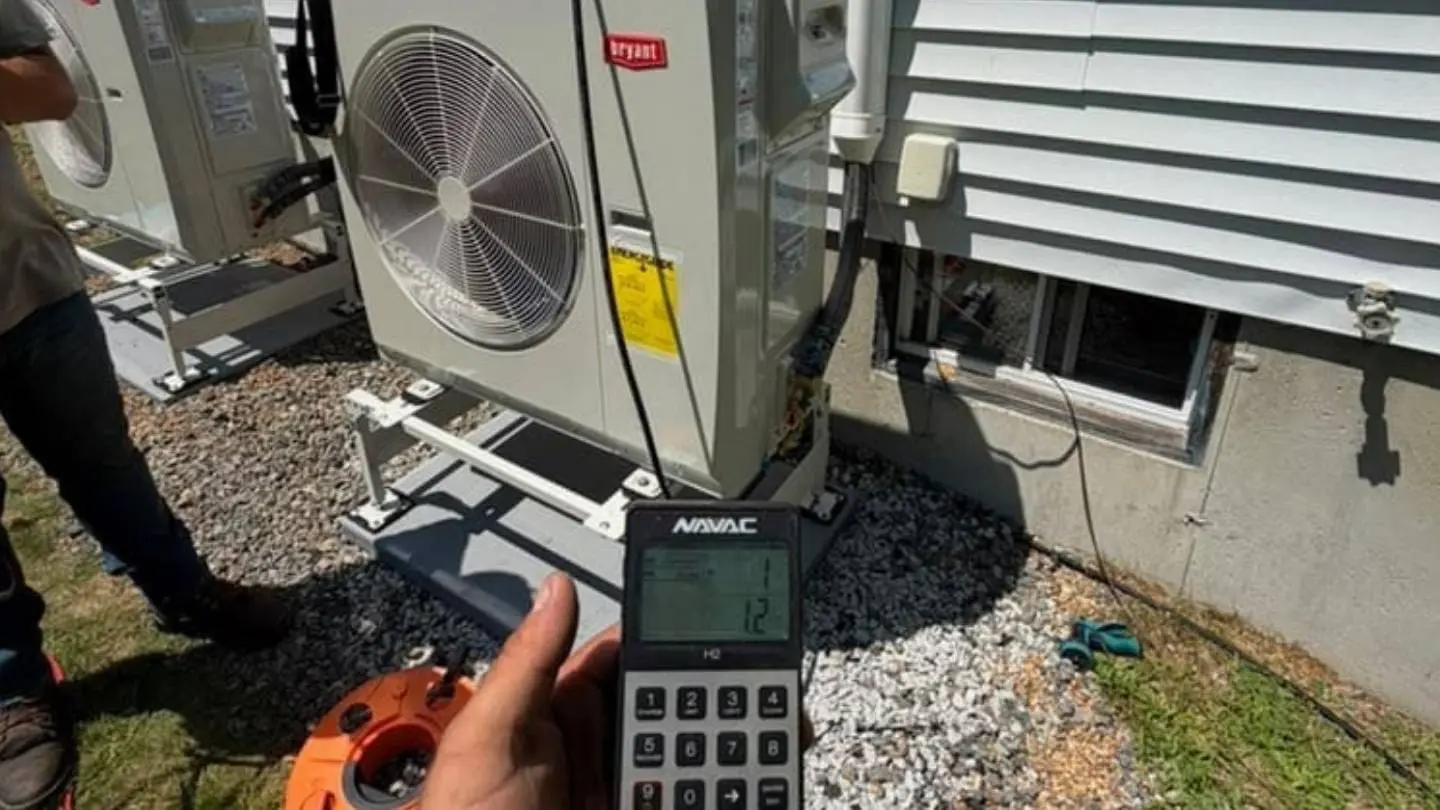
At Future Energy Solar, our professional heat pump installation services ensure every system is properly sized and installed to deliver reliable heating during Massachusetts winters.
Heat Pumps in Freezing Temperatures
Although outdoor temperatures may feel extremely cold, there is still heat energy available in the air. Heat pumps capture that heat and transfer it inside your home. Modern systems are engineered to maintain strong heat pumps in freezing temperatures, making them suitable for many northern climates.
Some homeowners choose to install a supplemental backup heating system for rare periods of extreme cold, but most modern heat pumps can comfortably handle the majority of winter conditions while using far less energy than conventional heating equipment.
Heat Pump Efficiency in Winter
One of the biggest advantages of heat pumps is their outstanding heat pump efficiency in winter. Unlike furnaces that generate heat by burning fuel or using electric resistance, heat pumps simply move existing heat from one place to another.
Because transferring heat requires less energy, homeowners often experience lower monthly heating costs. The overall heat pump winter performance depends on factors such as insulation, system sizing, and home energy efficiency, making professional installation essential for achieving the best results.
Pair Your Heat Pump with Solar
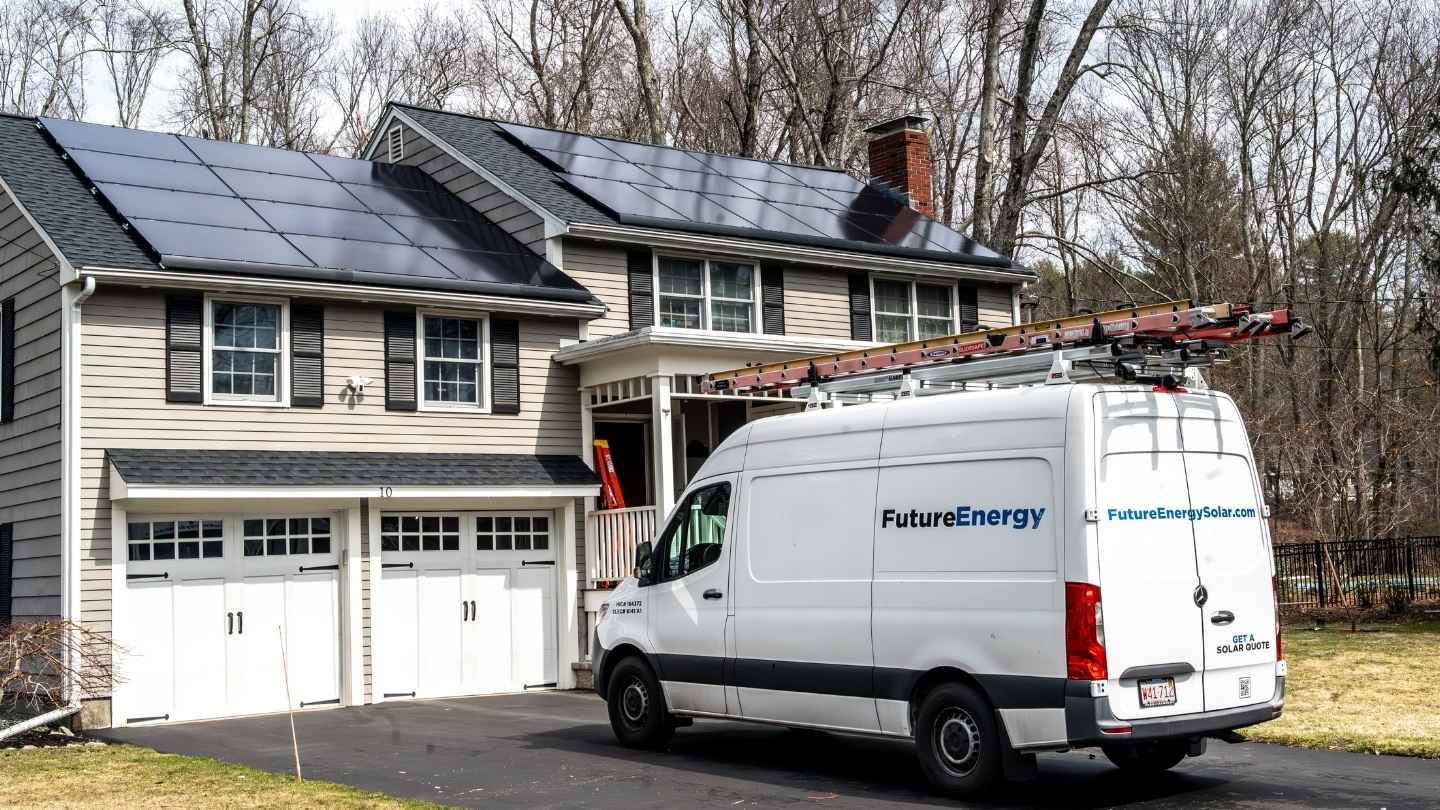
Heat pumps become even more efficient when powered by solar energy. Homeowners who invest in solar ownership can use electricity generated from their solar system to operate their heat pump, reducing utility bills while increasing energy independence.
If you’re considering multiple home energy upgrades, our guide on Can You Bundle Heat Pumps, Solar, Batteries, and EV Charging in Massachusetts? explains how combining these technologies creates a complete energy solution.
You can also learn more in Why Solar and Heat Pumps Are a Smart Pairing for Massachusetts Homes, where we discuss how solar and heat pumps work together to maximize savings and improve year-round efficiency.
How Future Energy Solar Can Help
At Future Energy Solar, we help homeowners choose the right cold climate heat pumps for their property’s heating needs. Our experienced team provides professional heat pump installation, customized energy assessments, and complete home energy solutions designed for maximum comfort and efficiency.
We also recommend reading What Massachusetts Homeowners Should Know Before Upgrading to a Heat Pump to understand system sizing, available incentives, and installation considerations. If you’re ready to improve your home’s heat pump efficiency in winter while lowering energy costs, contact us today to schedule a consultation.