


If you are thinking about going solar, one of the biggest questions you may have is whether to install solar panels first or add battery storage at the same time.
For many Massachusetts homeowners, solar panels are the first step toward lowering electricity costs, reducing reliance on the grid, and creating a more efficient home energy system. Battery storage takes that one step further by allowing you to store energy and use it when it may be needed most.
There is no one-size-fits-all answer. Some homeowners may choose to start with solar and add battery storage later. Others may decide it makes more sense to install both together from the beginning. The right choice depends on your home, your energy usage, your budget, and your long-term goals.
Option 1: Installing Solar Panels First
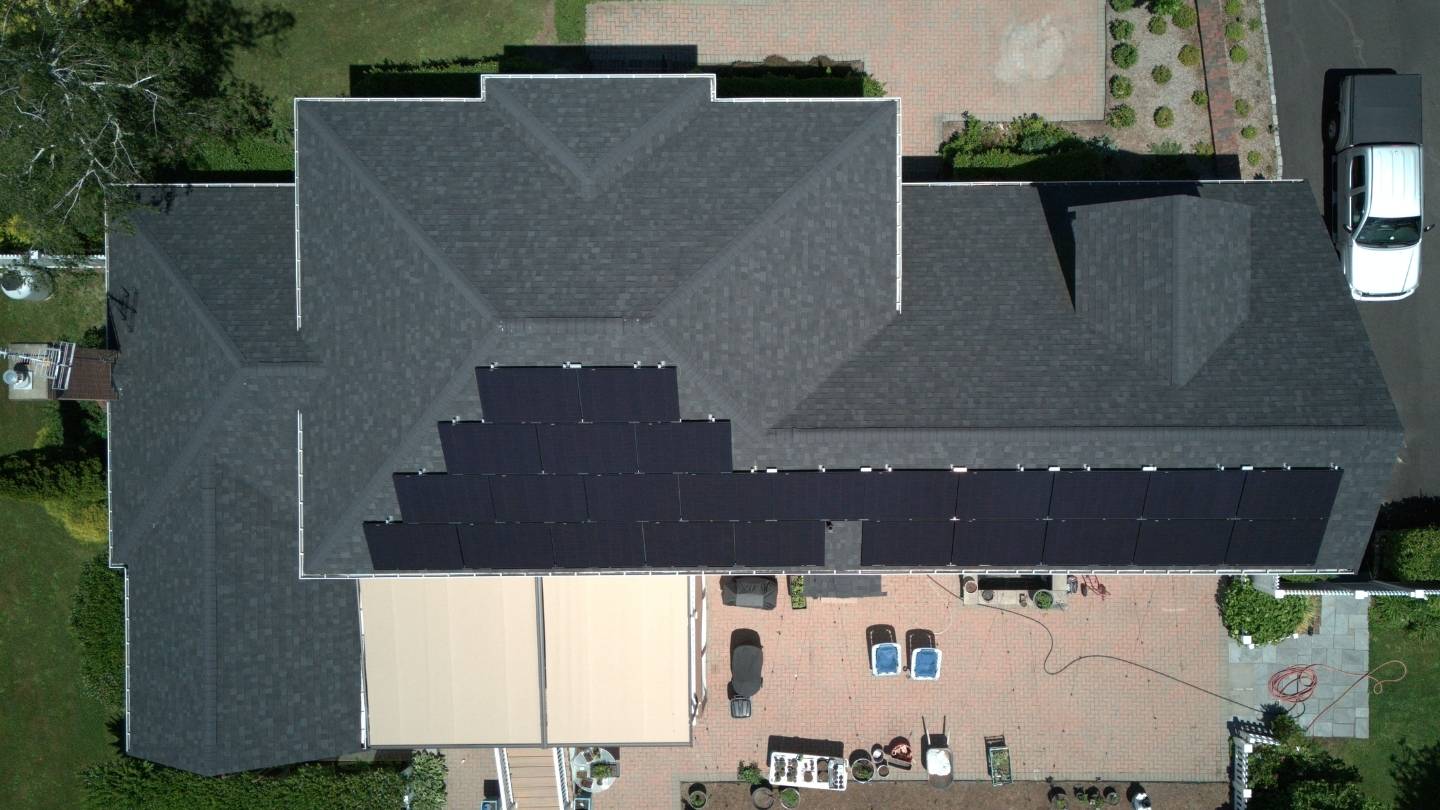
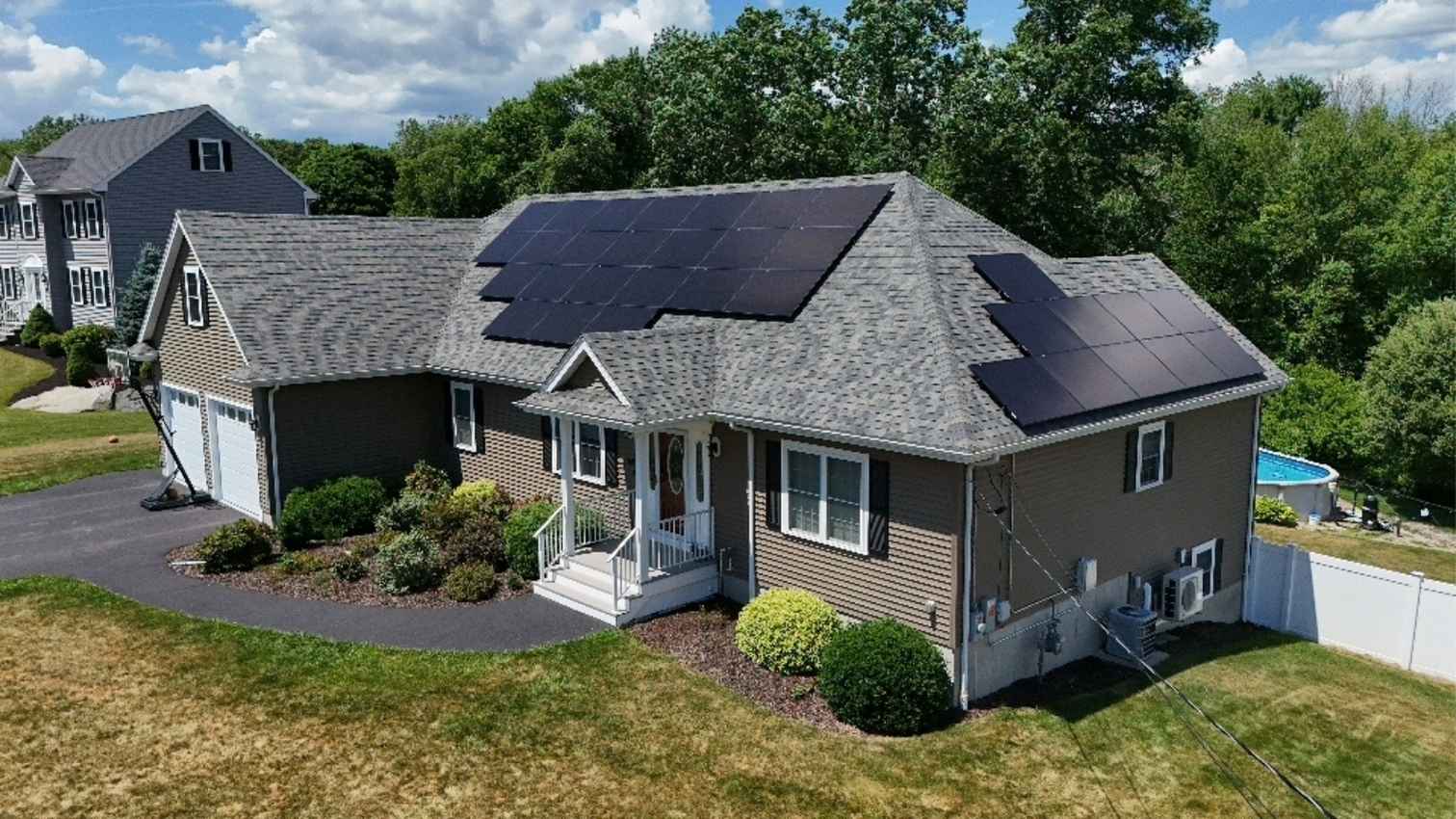
Installing solar panels first can be a great option for homeowners who want to start producing their own electricity and reduce their monthly utility costs.
With solar panels, your home can use the electricity your system produces during the day. When your system produces more than your home needs at that moment, the excess electricity may be sent back to the grid, depending on your utility and net metering eligibility.
For homeowners who are focused primarily on lowering electric bills, solar alone can be a strong first step. It also gives you the flexibility to see how your energy usage changes over time before deciding whether battery storage makes sense.
This approach may be a good fit if you are trying to keep the initial project cost lower, are not as concerned about backup power right now, or want to plan for battery storage as a future upgrade.
Option 2: Installing Solar Panels and Battery Storage Together
For homeowners who want a more complete energy solution from the start, installing solar panels and battery storage together may be the better fit.
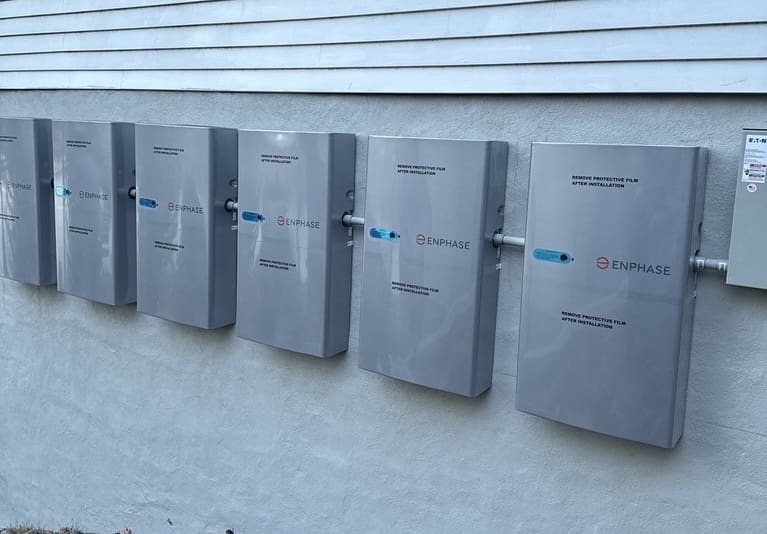
When your solar system is paired with a battery, your home can store excess solar energy for later use. This can be especially helpful in the evening, during peak utility rate periods, or during an outage when backup power is needed.
Installing both systems together can also make the overall design more seamless. Your solar system, battery storage, inverter, and electrical setup can be planned around the same goals from the beginning. This may help reduce future upgrade complications and create a more connected home energy system.
This option may be especially valuable if you want backup power, are planning to add an EV charger or heat pump, or want your home to be better prepared for future energy needs.
In Massachusetts, qualifying battery systems may also be eligible for ConnectedSolutions, a utility incentive program that rewards homeowners for allowing stored battery energy to support the grid during periods of high demand. This can add even more long-term value to a solar and battery storage system.
Why Backup Power Matters
One of the biggest reasons homeowners consider battery storage is backup power.
Solar panels alone typically do not keep your home powered during a grid outage unless the system is designed with battery storage and the proper backup configuration. This surprises many homeowners who assume that having solar automatically means they will have power during an outage.
A battery storage system can help keep essential parts of your home running when the grid goes down. Depending on the design of your system, this may include lighting, refrigeration, internet, medical equipment, or other important circuits.
For homeowners who work from home, have young children, rely on medical devices, or simply want more peace of mind during storms and outages, this can be a major deciding factor.
Planning Ahead Can Save Time Later
Even if you are not ready to add a battery right away, it is worth thinking about battery storage during the solar design process.
A battery-ready solar system can make it easier to add storage in the future. This may involve planning your system size, electrical setup, and equipment choices with future storage in mind.
This is especially important if you expect your electricity usage to grow. Many homeowners are now considering EV chargers, heat pumps, electric appliances, smart panels, and other home energy upgrades. These improvements can make your home more efficient and modern, but they may also increase your overall electricity demand.
Planning ahead allows your solar system to support not just how you use energy today, but how you may use it in the future.
How to Decide What Makes Sense for Your Home
The best choice depends on your priorities.
If your main goal is to start lowering your electric bill, solar panels alone may be the right first step. If you want backup power, more control over your energy use, and a stronger long-term home energy strategy, adding battery storage from the beginning may make more sense.
You may want to consider:
- How often your area experiences power outages
- Whether you want backup power for essential circuits
- Your current monthly electricity usage
- Whether you plan to add an EV charger or heat pump
- Your budget for the initial project
- Whether you want to phase upgrades over time
- Your long-term goals for energy independence
A professional consultation can help you compare both options and understand what each approach would mean for your home.
Build the Right Energy System from the Start
At Future Energy Solar, we help Massachusetts homeowners make informed decisions about solar panels, battery storage, and whole-home energy solutions. Whether you are ready to install solar now, want to add battery backup, or are planning future upgrades, our team can help you design a system that fits your goals.
Solar panels are a powerful first step. Battery storage can make that system even more flexible, resilient, and future-ready.
Ready to explore your options? Contact Future Energy Solar today to schedule a consultation and find out whether solar panels, battery storage, or a combined system makes the most sense for your home.