



Massachusetts homeowners commonly ask: “Are there still incentives if I go solar now?”
The details can feel overwhelming because it’s not just one incentive. It’s a set of programs and credits that can work together.
Here’s how we explain the incentives and benefits we commonly discuss, based on what we actually see used in real projects.
Net metering credits: how “extra production” becomes a benefit
One of the biggest advantages of buying or financing a solar system is the ability to earn net metering credits. When your system produces more electricity than your home uses during sunny months, that extra production can be sent back to the grid and turned into credits on your utility account.
Those credits can then be used to help offset electricity costs during higher-usage months, such as winter, when your home may need more power and solar production may be lower. Over the course of the year, this added benefit can significantly reduce out-of-pocket utility expenses and help homeowners get even more value from their solar investment.
SMART 3.0 and renewable energy credits
Massachusetts continues to stand out as one of the most solar-friendly states in the country, thanks in large part to its strong clean energy incentives. Programs like SMART 3.0 and renewable energy credits are often part of the conversation because they can add meaningful value to the overall return on a solar investment.
For homeowners exploring solar, these programs are important because they can improve long-term financial benefits and make the decision to go solar even more attractive. When paired with the right system design, Massachusetts incentives can help homeowners maximize savings while taking advantage of the state’s continued support for renewable energy.
Connected Solutions and battery storage
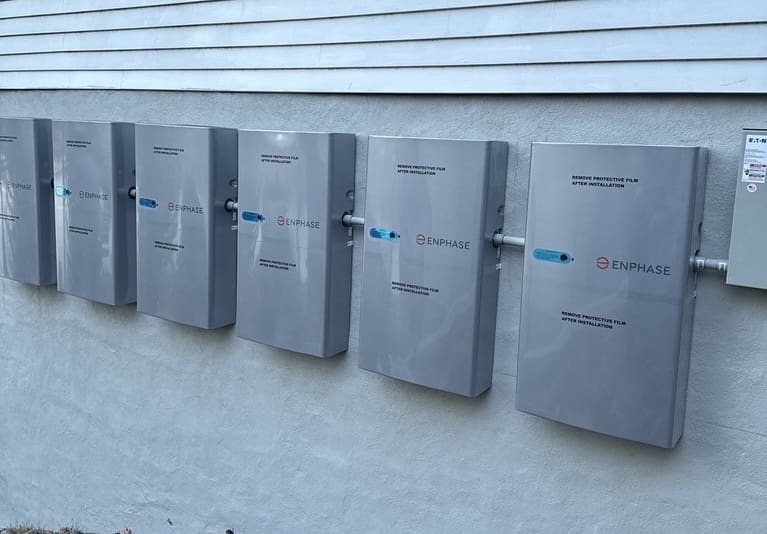
For homeowners considering battery storage, Connected Solutions is one of the most talked-about incentive programs in Massachusetts. This program can provide compensation for allowing stored battery energy to support the grid during peak demand periods, which are often highest in the summer.
That means battery storage may offer more than just peace of mind during outages. It can also create added financial value. For many homeowners, this makes battery backup even more appealing by combining energy resiliency with an additional incentive opportunity.
Why timing can matter: grid capacity in Massachusetts
Another important factor for Massachusetts homeowners is grid capacity. In some areas, the electrical grid is aging, and available capacity can become a limitation for new solar connections. Certain neighborhoods may already face constraints, while others are seeing upgrades that allow more homes to move forward with solar.
This is one reason timing can matter. Homeowners who are eligible to install solar now may benefit from acting sooner rather than later, before grid limitations become a larger obstacle. Moving forward early can help protect access to available solar opportunities and avoid potential delays tied to infrastructure capacity.
Why the conversation has shifted toward PPAs for some homeowners
As the solar market has evolved, Power Purchase Agreements, or PPAs, have become a popular option for homeowners looking for a lower-barrier way to go solar. With a PPA, the third-party owner of the system benefits from available tax credits and incentives, which helps support a lower, locked-in energy rate for the homeowner.
For many households, this can make solar more accessible. While ownership and financing often provide the strongest long-term financial advantages, PPAs have opened the door for more homeowners to benefit from solar savings without the upfront commitment of owning the system.
The bigger trend: electricity rates are not getting cheaper
One of the biggest drivers behind solar interest in Massachusetts is the continued rise in electricity costs. Homeowners across the state are already feeling the impact of high utility rates, and the broader expectation is that those costs will keep increasing over time.
That is a big reason why incentives, credits, and solar savings remain such an important part of the conversation. As utility bills continue to climb, many homeowners are looking for ways to gain more predictability, reduce long-term energy costs, and take greater control over what they pay each month.
If you want to better understand which solar incentives, credits, and savings opportunities may apply to your home, we can help walk you through it in a clear and practical way. Whether you are considering ownership, financing, or battery storage, our team can help you evaluate the options and understand how they may impact your long-term benefits.