



One of the biggest questions homeowners have before going solar is simple: what happens to the extra energy my solar panels produce?
That is where net metering comes in.
Net metering is a billing program that allows eligible solar customers to receive bill credits when their system sends excess electricity back to the grid. In Massachusetts, where rising electricity costs are a major concern for many homeowners, net metering can play an important role in helping homeowners get more value from their solar energy and reduce their monthly electric costs.
While the details can vary by utility, system size, and program rules, the basic idea is easy to understand: your solar panels help power your home first, and when they produce more electricity than your home needs at that moment, the extra energy may be credited back to you through your utility bill. The Massachusetts net metering guide explains that net metering can allow customers to offset their energy use and transfer energy back to their electric company in exchange for a bill credit.
Massachusetts also updated its net metering rules in 2025, making it easier for many residential solar systems under 25 kW AC to qualify for net metering, which gives homeowners more flexibility to size their systems around future energy needs like EV charging, battery storage, and home electrification. Contact Future Energy Solar for more information about the changes.
Your Solar Energy Is Used at Home First
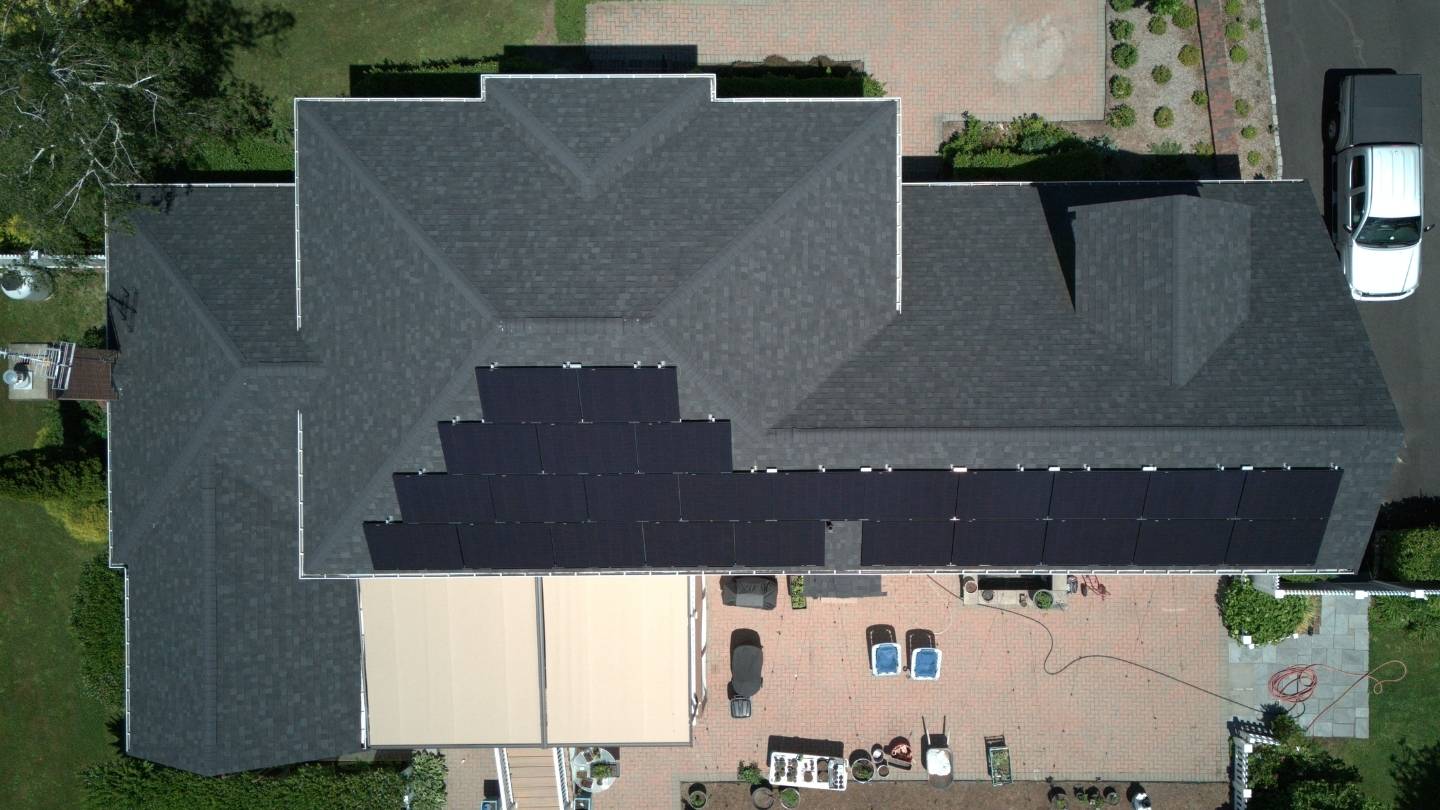
When your solar panels produce electricity, that energy is first used by your home. It may help power your lights, appliances, electronics, heating and cooling equipment, EV charger, or other electrical needs.
This is one of the most direct ways solar can help lower your electric bill. Instead of pulling as much electricity from the utility, your home can use the energy being produced on your roof.
The amount of solar energy your home uses in real time depends on your system size, energy habits, weather, time of day, and season. For example, your panels may produce the most electricity during sunny midday hours, while your household may use more energy in the morning or evening.
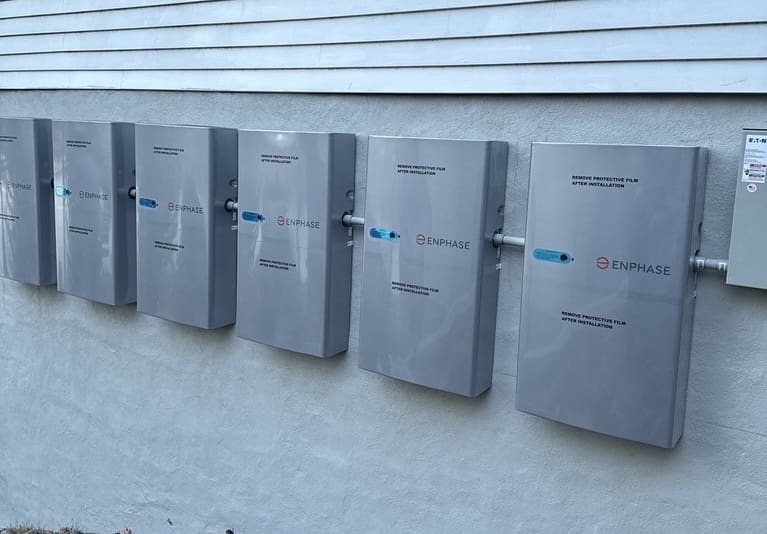
Adding battery storage can also help you store some of that excess daytime solar energy for later use, rather than sending all unused electricity back to the grid.
What Happens to Extra Solar Energy?
There may be times when your solar system produces more electricity than your home is using. This can happen during sunny parts of the day, especially if no one is home or energy use is lower.
With net metering, that extra electricity can be sent back to the grid. In return, eligible homeowners receive credits on their electric bill.
Those credits can help offset electricity used at other times, such as in the evening, overnight, or on cloudy days when the system is producing less. This is one reason net metering is so valuable. It helps your solar production work for you even when your energy use and solar production do not happen at the exact same time.
Why Net Metering Matters for Solar Savings
Solar savings are not only about how much electricity your system produces. They are also about how that production is credited, used, and applied to your utility bill.
Net metering can help homeowners get more financial value from the energy their system sends to the grid. Without it, excess solar production may not provide the same level of benefit.
For Massachusetts homeowners, this can be especially important because energy usage changes throughout the year. Your system may produce more electricity during longer, sunnier summer days and less during shorter winter days. Net metering credits can help smooth out some of those differences over time.
Net Metering Is Not the Same as Being Off-Grid
A common misconception is that going solar means your home is completely disconnected from the grid. In most cases, that is not true.
Most residential solar systems are grid-tied, which means the home still stays connected to the utility. Your home can use solar energy when it is available and draw electricity from the grid when needed.
Net metering is part of that grid connection. It allows your home to send excess solar energy out to the grid and receive bill credits in return.
If your goal is to have backup power during an outage, solar panels alone are usually not enough. You would typically need battery storage and the right backup configuration. Net metering helps with bill credits, while battery storage helps with storing power for later use or outage support.
System Design Still Matters
Net metering is valuable, but it does not mean every solar system should be oversized or designed without a plan.
A well-designed solar system should be based on your home’s actual energy usage, roof conditions, utility requirements, future energy needs, and long-term goals. If you plan to add an EV charger, heat pump, or battery storage later, those upgrades should also be part of the conversation.
This is why a custom solar assessment matters. The goal is not just to install panels. The goal is to design a system that fits your household and helps you get the most practical value from your investment.
What Homeowners Should Ask Before Going Solar
Before moving forward with a solar project, it is helpful to ask a few important questions:
- Does my utility offer net metering?
- How will bill credits appear on my electric bill?
- How much electricity does my home use each year?
- Would my usage increase if I add an EV charger or heat pump?
- Should I consider battery storage now or plan for it later?
- How should my system be sized around my current and future needs?
These questions can help you better understand what solar may look like for your home, not just in theory, but on your actual utility bill.
Understand Your Solar Savings with Future Energy Solar
At Future Energy Solar, we help Massachusetts homeowners understand the full picture before going solar. That includes system design, net metering, battery storage, future electric upgrades, and the long-term goals you have for your home.
Net metering can be an important part of solar savings, but it works best when your system is designed around your home’s real energy needs.