


Making a home more energy-efficient does not always mean replacing every system at once. For homeowners in Natick, MA, practical upgrades such as solar panels, heat pumps, battery storage, and electrical improvements can help reduce energy waste and make everyday energy use more manageable.
The right improvements depend on the property’s current systems, electricity usage, heating and cooling needs, and long-term goals. By looking at these factors first, homeowners can prioritize upgrades that make the most sense for their home.
Start by Understanding Your Home’s Energy Needs
Before investing in new equipment, it helps to understand where your home uses the most energy. Older heating systems, inefficient cooling equipment, outdated electrical components, and high electricity consumption can all affect overall efficiency.
A review of your current energy use can help identify which improvements should come first. For some homeowners, upgrading the heating system may have the biggest impact.
Consider Solar Panels for Home Energy Production
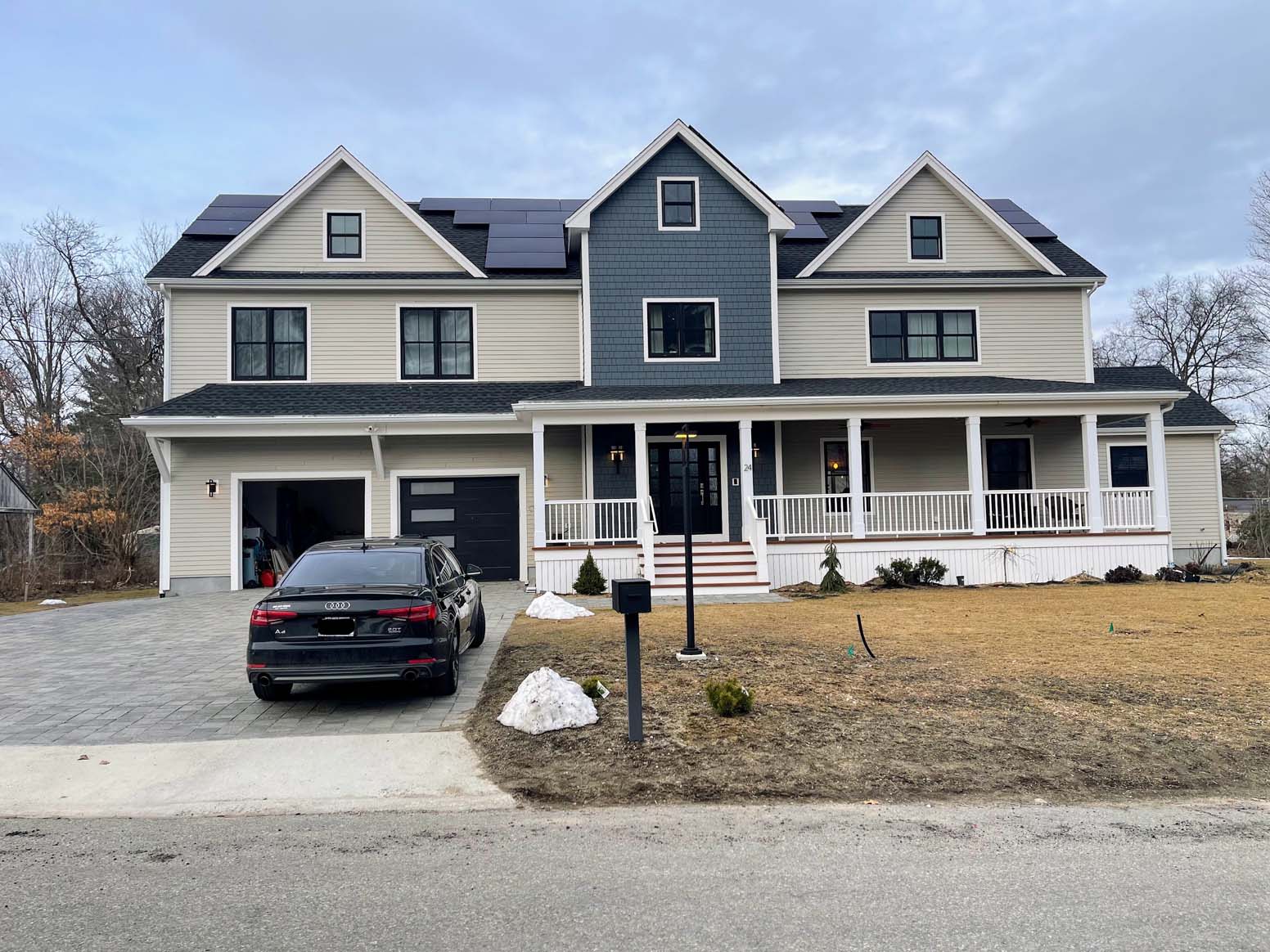
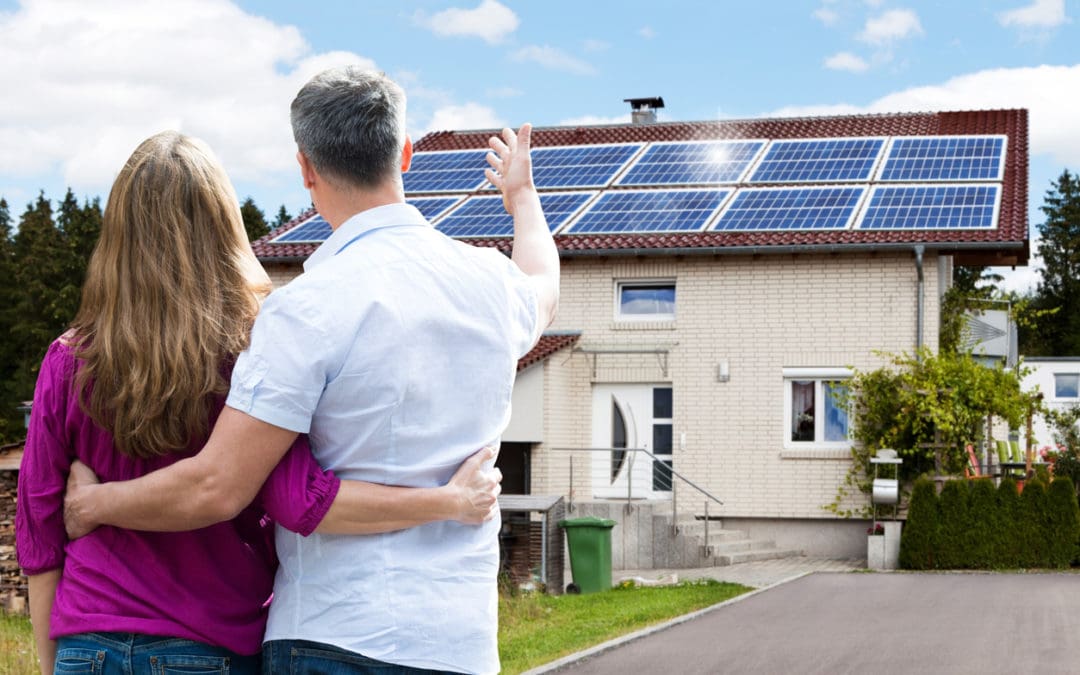
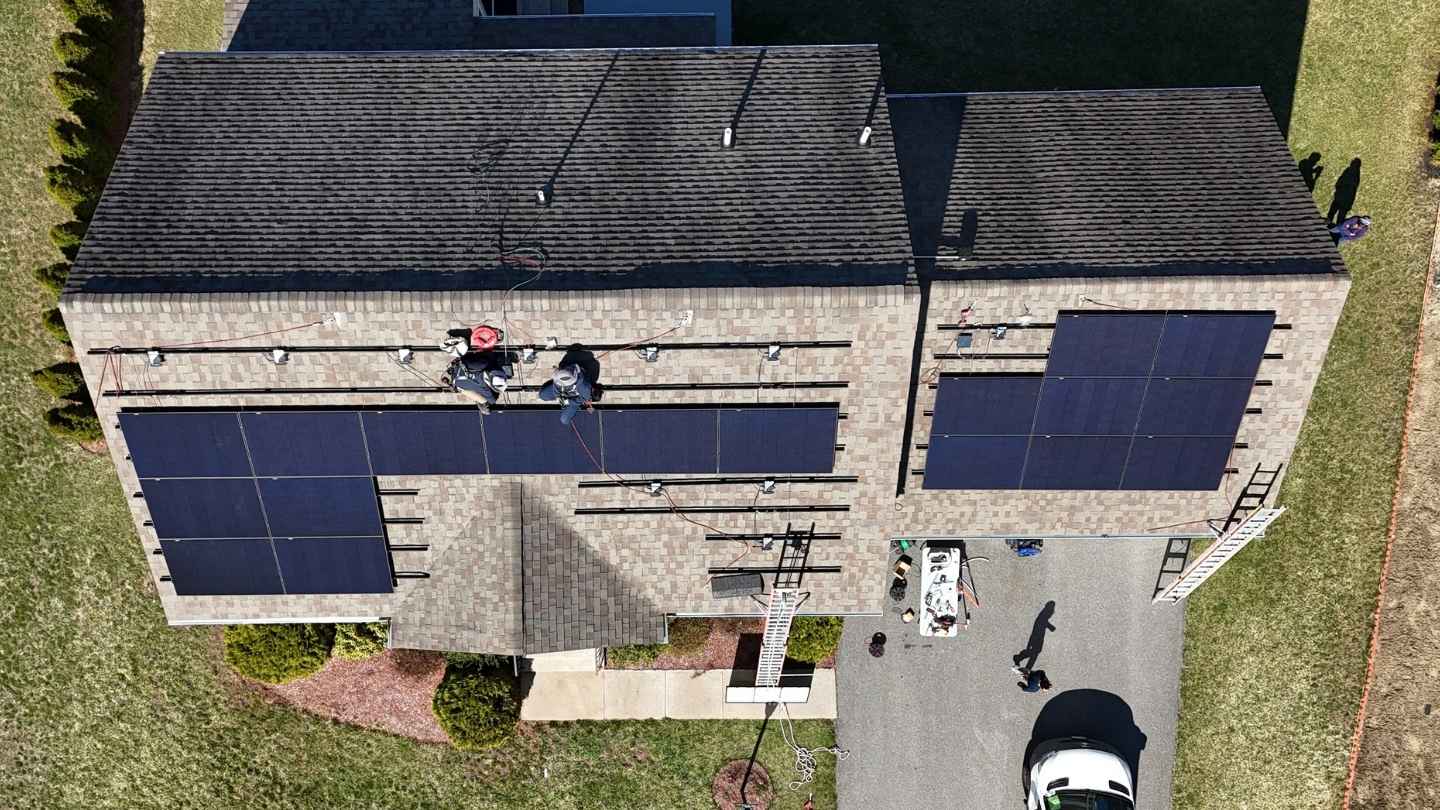
Solar panels allow homeowners to generate electricity on their own property. Instead of purchasing all of your electricity from the utility, part of your home’s energy demand can be supplied by power produced from the solar system.
The amount of solar energy a home can produce depends on factors such as roof orientation, available roof space, shading, and household electricity use. Reviewing these factors before installation can help determine whether solar is a suitable improvement for your property.
Improve Heating and Cooling with Heat Pumps
Heating and cooling can have a significant effect on household energy use, particularly in Massachusetts where homes need heating during the colder months and cooling during summer.
Energy-efficient heat pumps can provide both heating and cooling while using electricity to transfer heat rather than relying solely on traditional heating methods. This makes them a flexible option for homeowners looking to improve year-round efficiency.
Before installing a heat pump, homeowners should consider the size of their property, existing heating system, insulation, and how much heating and cooling the home requires.
Add Battery Storage for Greater Energy Flexibility
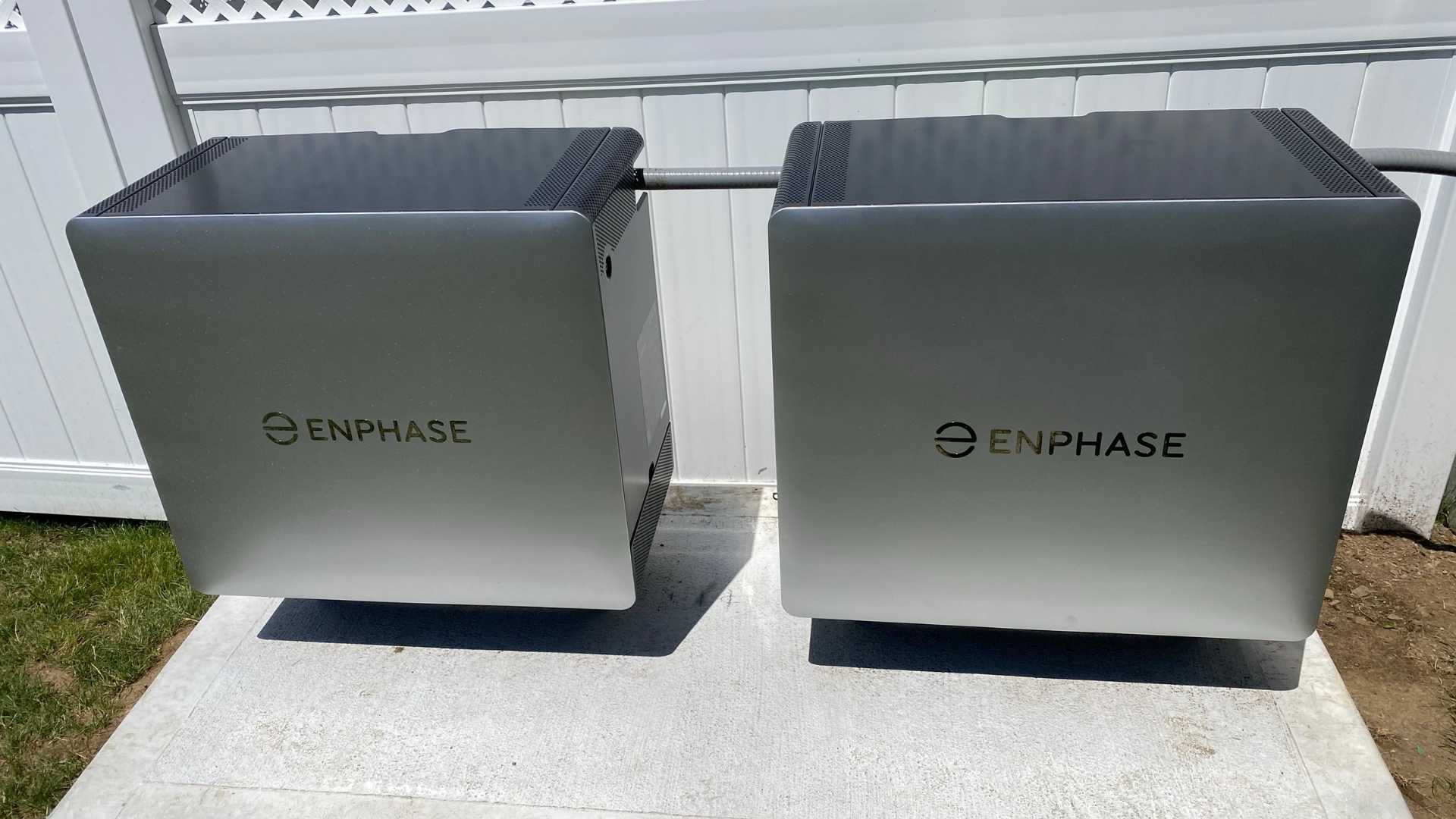
For homeowners who already have solar or are considering solar, battery storage can provide another way to manage household electricity. Energy produced during the day can be stored and used later when solar production is lower.
Residential battery storage can be particularly useful for households that want more control over when they use the electricity their solar system produces. It can also provide backup power during certain outages, depending on the system and installation.
Different battery storage systems offer different capacities and features, so homeowners should consider their electricity consumption and backup requirements before choosing a system.
Review Your Home’s Electrical System
Energy upgrades can also highlight the importance of a home’s electrical infrastructure. Older electrical panels may not have the capacity needed for newer technologies such as solar panels, heat pumps, batteries, or EV chargers.
For some properties, smart panels for your home can also provide better visibility and control over electricity usage. This can help homeowners manage energy demand while making it easier to coordinate multiple electrical systems.
Decide Which Upgrade Makes the Most Sense
There is no single energy upgrade that works for every Natick home. The best starting point depends on the condition of existing systems and the homeowner’s priorities.
For example, a home with an inefficient heating system may benefit from addressing heating and cooling first. A property with high electricity consumption and suitable roof space may be a good candidate for solar.
Build Your Energy Plan One Step at a Time
Improving home efficiency does not have to happen all at once. Homeowners can prioritize the most important improvements today while keeping future upgrades in mind.
For Natick homeowners, the goal is not simply to add the latest technology. It is to choose improvements that suit the property, work well with existing systems, and support practical energy goals for years to come.
By evaluating the home’s current needs and planning upgrades around them, Future Energy Solar can help homeowners consider how solar, heating, storage, and electrical improvements can fit into a more efficient home energy strategy.