


Modern home energy upgrades can feel exciting, but they can also feel overwhelming. Between solar panels, battery storage, heat pumps, EV charging, smart electrical panels, and other efficiency improvements, many homeowners know they want a smarter home but are not sure where to start.
The good news is that you do not always have to do everything at once.
With the right plan, Massachusetts homeowners can prioritize upgrades in a way that supports their current needs, future goals, and long-term energy strategy.
Start With Your Biggest Energy Goals
Before choosing a specific upgrade, think about what you want your home energy system to accomplish.
Are you looking to generate more of your own electricity? Do you want backup power during outages? Are you planning to switch to electric heating and cooling? Do you expect to buy an electric vehicle in the next few years?
Your answers can help determine which upgrades should come first.
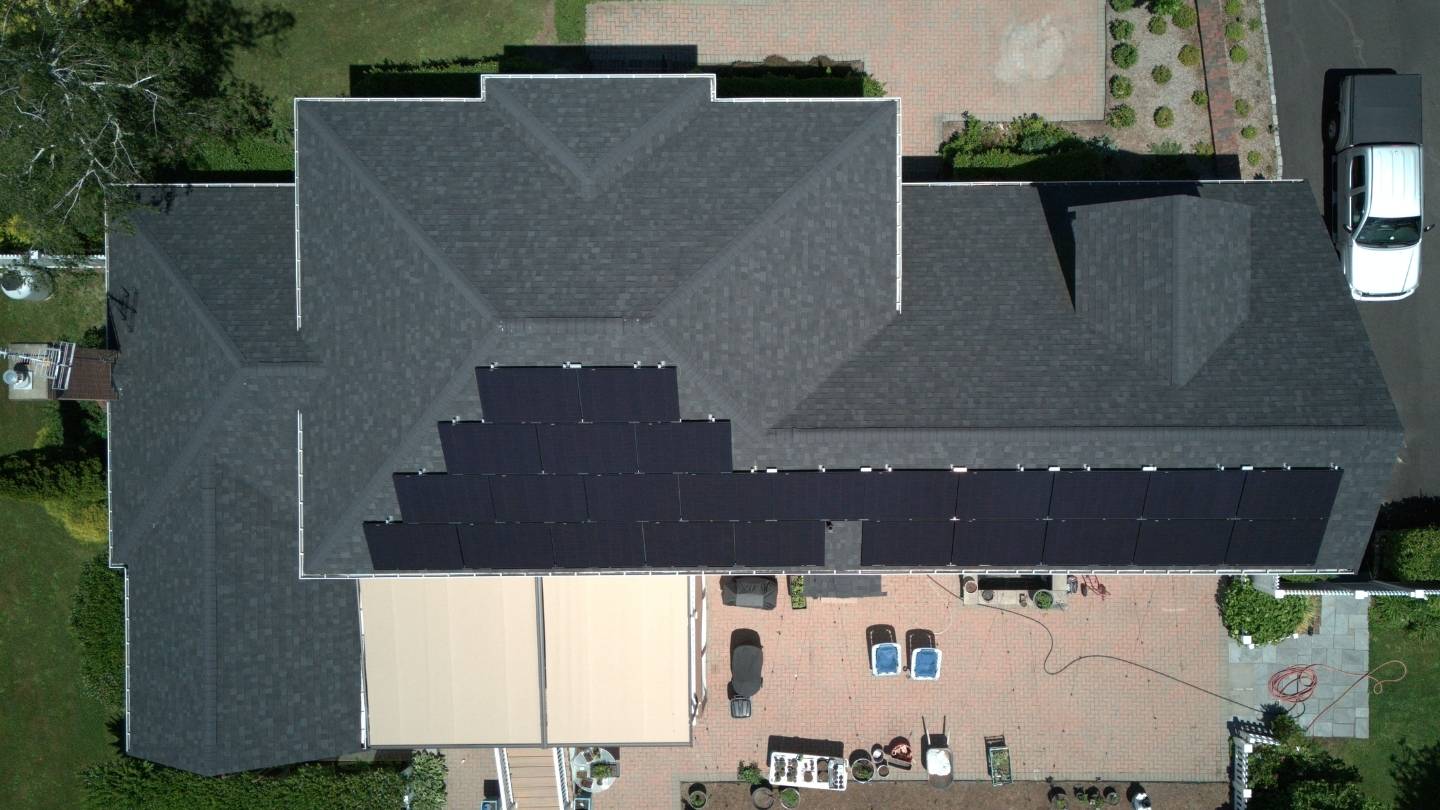
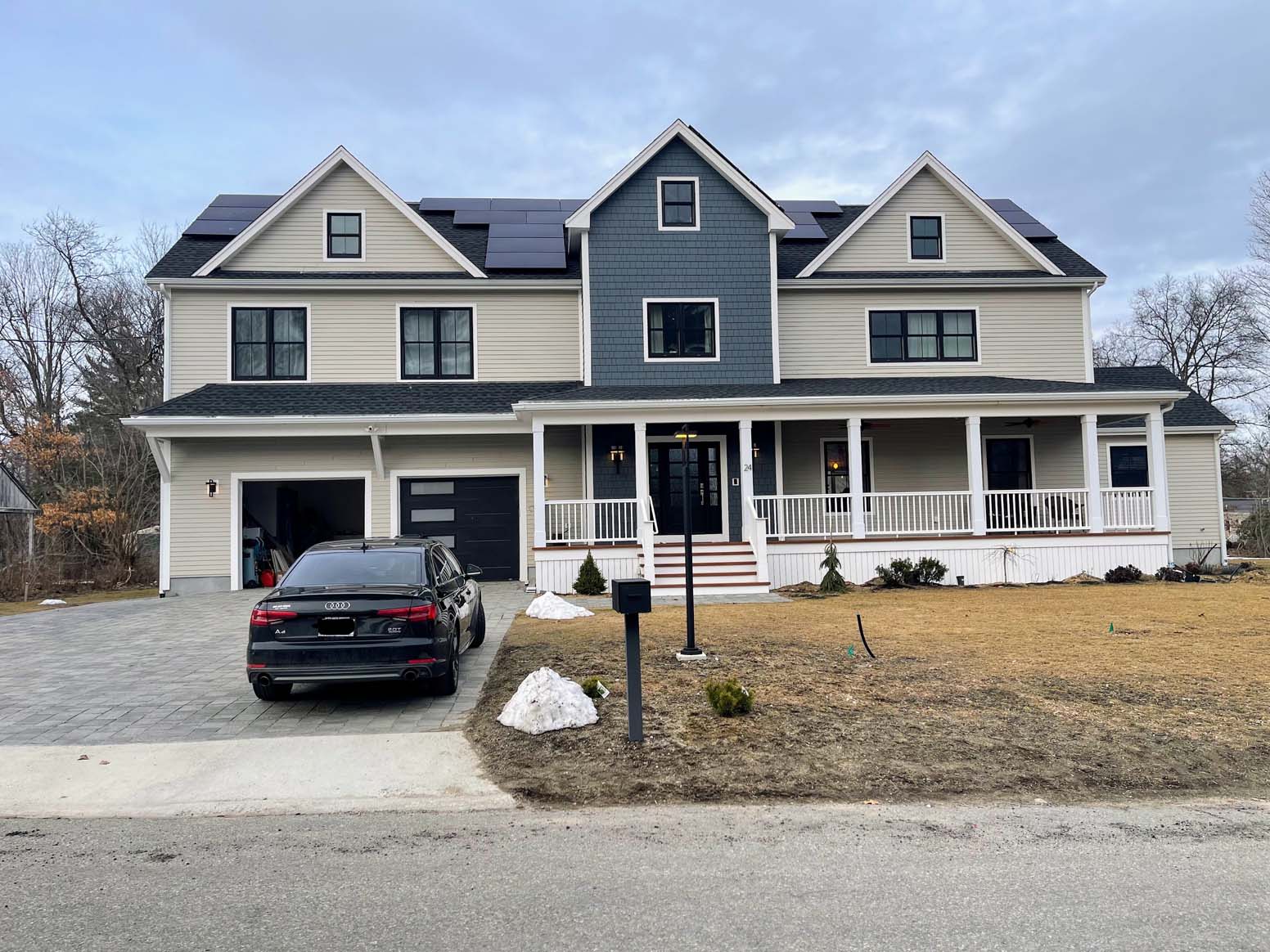
For example, if your main goal is to reduce dependence on the grid, solar panels may be a strong starting point. If resilience and outage protection are priorities, battery storage may be an important part of the plan. If comfort is the biggest concern, heat pump installation may be worth exploring early.
Look at Your Electrical System First
A home’s electrical system is the foundation for many modern energy upgrades. Solar, batteries, heat pumps, and EV chargers all rely on the home’s ability to safely support new electric loads.
For older Massachusetts homes, this can be especially important. Some homes may need electrical improvements before adding larger upgrades. Reviewing your electrical panel early can help avoid surprises later and make it easier to plan for future projects.
If you are considering multiple upgrades over time, smart electrical panels or panel upgrades may help support a more flexible, future-ready home energy system.
Consider What Can Work Together
Some upgrades can be completed separately, but they may deliver more value when planned together.
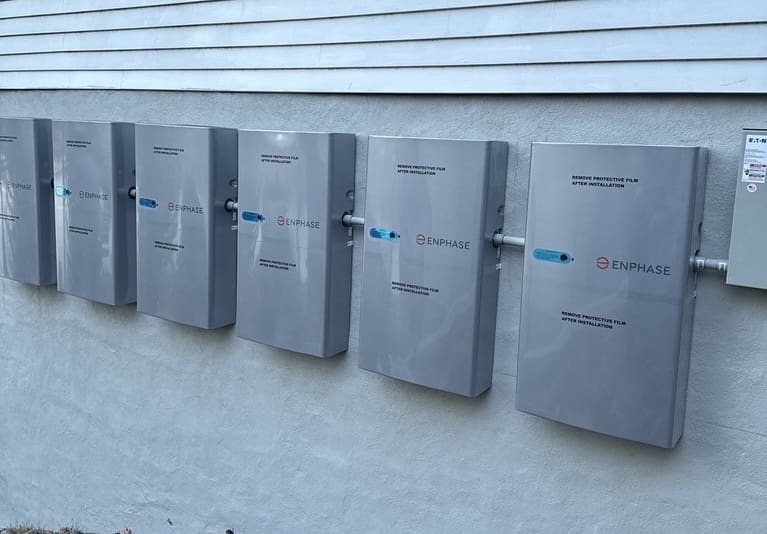
Solar and battery storage are a good example. Solar helps generate electricity, while batteries help store energy for later use. For homeowners who want more control over how their home produces, stores, and uses power, planning these systems together can create a stronger foundation.
The same applies to EV charging and heat pumps. Both can increase your home’s electricity usage, which means they should be considered when designing a solar system or evaluating electrical capacity.
Build in Stages Without Losing the Bigger Picture
A phased energy plan may start with solar, then add battery storage later. Another homeowner may begin with a heat pump system, then plan for EV charging or solar in the future.
The key is to avoid treating each upgrade like a separate decision. A better approach is to create a roadmap for the home so each project supports the next.
That is the idea behind the Future Energy Home™: one connected energy strategy designed around comfort, efficiency, resilience, and long-term energy control.
Create a Plan That Fits Your Home
Every home is different, and the right order depends on your home’s age, electrical system, roof, energy usage, budget, and long-term plans. At Future Energy Solar, we help homeowners look at the full picture before making a decision. Whether you are ready for one upgrade or planning a complete home energy system over time, our team can help you build a smarter path forward.
Ready to prioritize your next home energy upgrade? Contact Future Energy Solar to schedule a consultation.