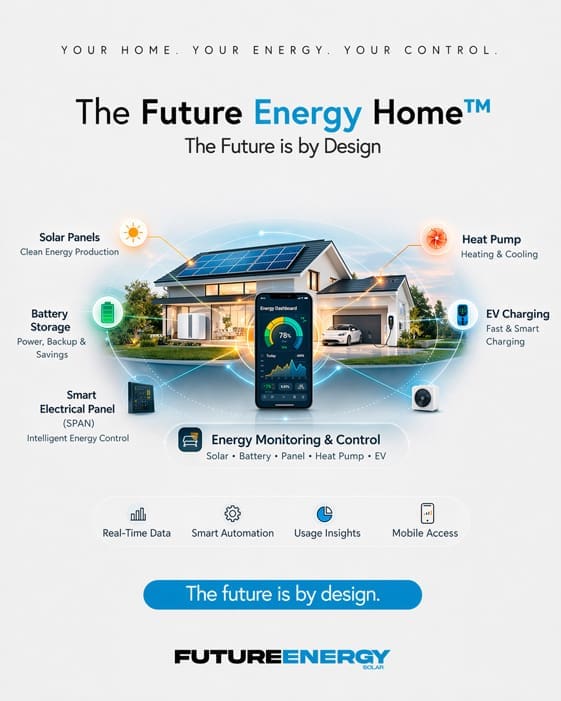



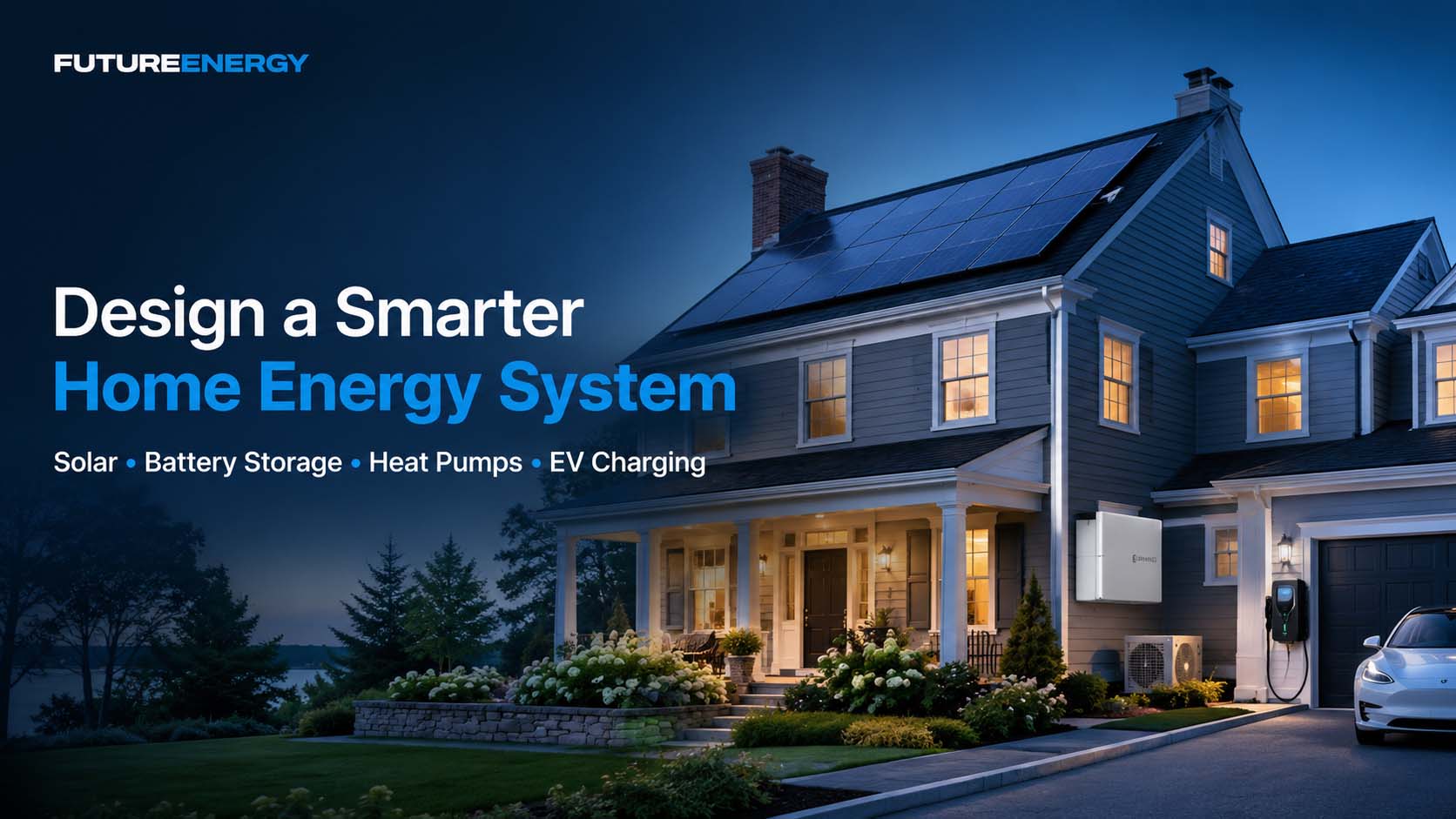
Modern homes are using energy differently than they did even a decade ago. Between electric vehicles, heat pumps, battery storage, solar panels, and smart electrical systems, homeowners now have more options than ever to control how their home produces, stores, and uses energy.
That is why designing a home energy system should start with a bigger question: what do you want your home to do for you long term?
Some homeowners are focused on lowering utility dependence. Others want backup power during outages, more efficient heating and cooling, or a better way to support future electric vehicle charging. For many Massachusetts homeowners, the right answer is not one single upgrade. It is a connected plan that supports the way the home is used today while preparing it for the future.
Start With How Your Home Uses Energy Now
Before adding new technology, it is important to understand your current energy usage. Your electric bills, heating system, cooling needs, roof condition, electrical panel, and future plans all play a role.
For example, a homeowner who plans to install a heat pump or EV charger may need a different solar system design than someone who only wants to offset current electric usage. A family that wants backup power may benefit from pairing solar panels with battery storage instead of installing solar alone.
The goal is to avoid designing around today’s needs only if tomorrow’s needs are already on the horizon.
Think About the Upgrades You May Add Later
A smarter home energy plan should account for future upgrades such as:
- Solar energy production
- Battery storage
- Heat pump heating and cooling
- EV charging
- Smart electrical panels
- Electrical upgrades
- Home energy monitoring
These systems can be installed in stages, but they should not be planned in isolation. For example, adding an EV charger may increase electricity usage. Installing a heat pump system may shift more of the home’s heating and cooling needs to electricity. A smart electrical panel may help homeowners better manage these changes over time.
When these upgrades are considered together, the system can be designed more intentionally.
Solar and Battery Storage as the Foundation
For many homeowners, solar and battery storage create the foundation of a more modern energy system. Solar helps produce electricity, while battery storage helps store energy for later use. Together, they can support energy control, resilience, and a more flexible home energy strategy.
A battery may also help homeowners prepare for outages and manage how stored energy is used throughout the home. For homeowners planning larger electric upgrades in the future, designing solar and battery storage together can help create a stronger foundation.
Plan Around Comfort, Resilience, and Control
A strong home energy plan is not just about equipment. It is about how the home feels and functions. Heat pumps can support year-round comfort. Battery storage can provide added peace of mind during outages. EV charging can make daily routines easier. Smart panels can give homeowners better visibility into energy usage.
At Future Energy Solar, we help Massachusetts homeowners think beyond one-time installations. Whether you are starting with solar, exploring battery storage, or planning a full Future Energy Home™ system over time, our team can help you create a custom plan that supports your goals.
Ready to take the next step? Contact Future Energy Solar to design a smarter home energy system around your long-term plans.