


Electric vehicles are becoming a bigger part of everyday life for many Massachusetts homeowners. For some, the appeal is lower fuel costs. For others, it is convenience, cleaner transportation, or simply being ready for the future.
But before installing a home EV charger, it is important to look beyond the charger itself.
A home charging setup should fit the way you drive, the way your home uses electricity, and the upgrades you may want to make down the road. With the right planning, an EV charger can become part of a smarter home energy strategy that includes solar panels, battery storage, smart monitoring, and other efficient electric upgrades.
Start with Your Charging Needs
The first step is understanding how you plan to use your EV charger.
Some homeowners only need to recharge after short daily commutes. Others drive longer distances and need a faster, more reliable charging option at home. Your vehicle type, driving habits, and charging schedule can all influence what type of charger makes the most sense.
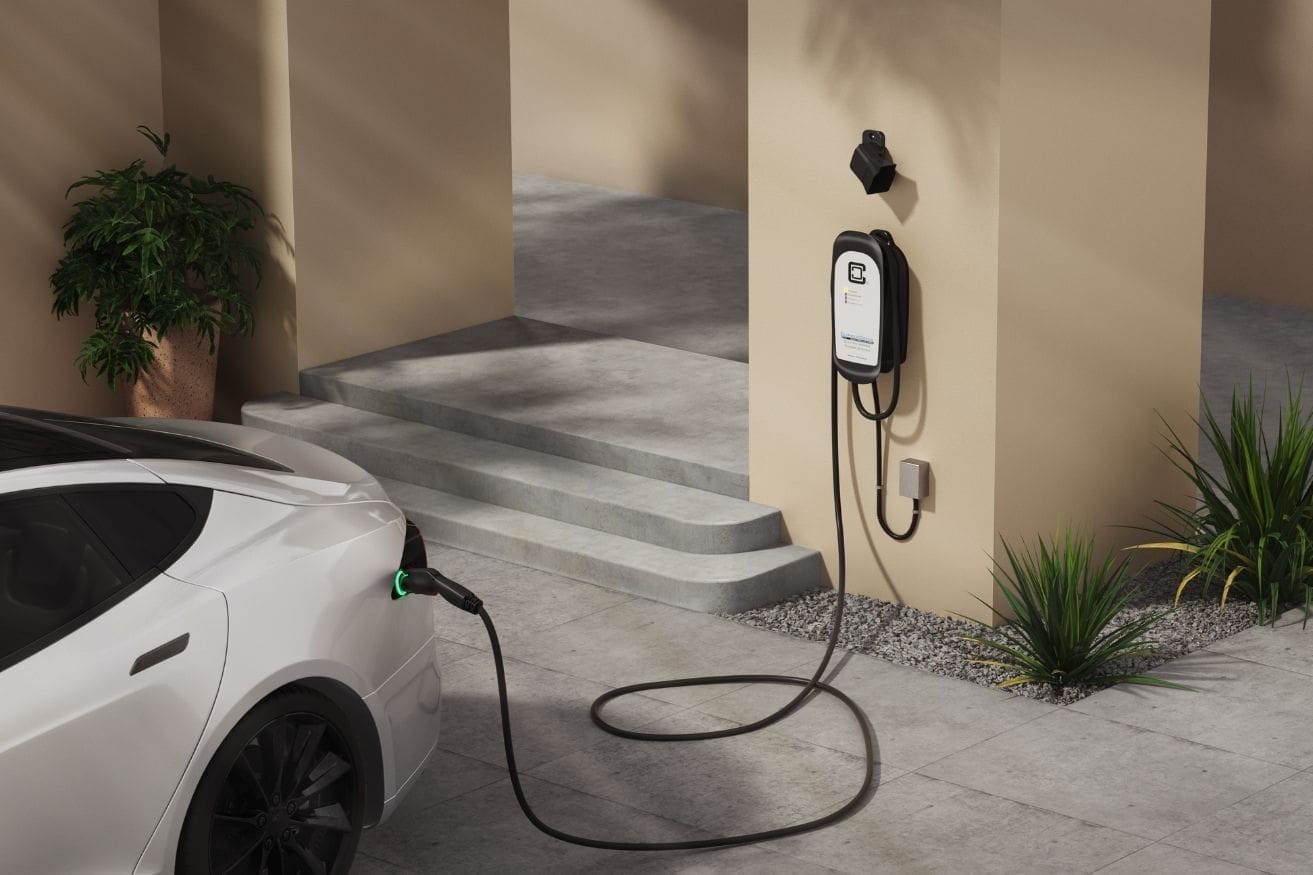
Many homeowners choose a Level 2 EV charger because it charges much faster than a standard wall outlet. This can make daily charging easier and more practical, especially for households that rely on their vehicle for work, school, errands, or frequent travel.
Before moving forward, it helps to think about how often you drive, how quickly you need your vehicle charged, and whether your household may add another EV in the future.
Make Sure Your Electrical System Can Support It
An EV charger adds a new electrical load to your home. That means your current electrical panel and overall capacity need to be evaluated before installation.
In some homes, the existing electrical system may be able to support a charger without major upgrades. In others, panel improvements or load management solutions may be needed to safely handle the additional demand.
This is an important step because your charger is not operating in isolation. It is part of the same system that powers your lighting, appliances, heating and cooling equipment, electronics, and other home essentials.
A professional assessment can help determine whether your home is ready now or whether additional electrical work should be included in the plan.
Think About Where the Charger Should Go
Location matters when installing a home EV charger.
Most homeowners want the charger placed where it is easy to access, whether that is inside a garage, near a driveway, or close to a dedicated parking area. The distance between your electrical panel and the charger location can also affect the installation approach.
A good location should be convenient for daily use, safe from unnecessary wear, and practical for how you park. If you may add another EV later, it is also worth considering whether the location will still work for a second vehicle.
Planning the placement carefully from the beginning can help avoid frustration later.
Understand How an EV Can Change Your Energy Use
Charging an electric vehicle at home can increase your household electricity usage. That does not mean it is a bad decision. In many cases, homeowners are simply shifting energy costs from the gas pump to the electric bill.
Still, it is important to understand how that change may affect your monthly usage.
This is where solar can become especially valuable. If your home is using more electricity because of EV charging, a properly designed solar system may help offset a portion of that added demand. For homeowners who already have solar, adding an EV may also be a good reason to review whether the existing system still matches the household’s energy needs.
The goal is to avoid looking at EV charging as a standalone upgrade. It should be considered as part of your larger home energy picture.
Consider Solar, Battery Storage, and Smart Monitoring
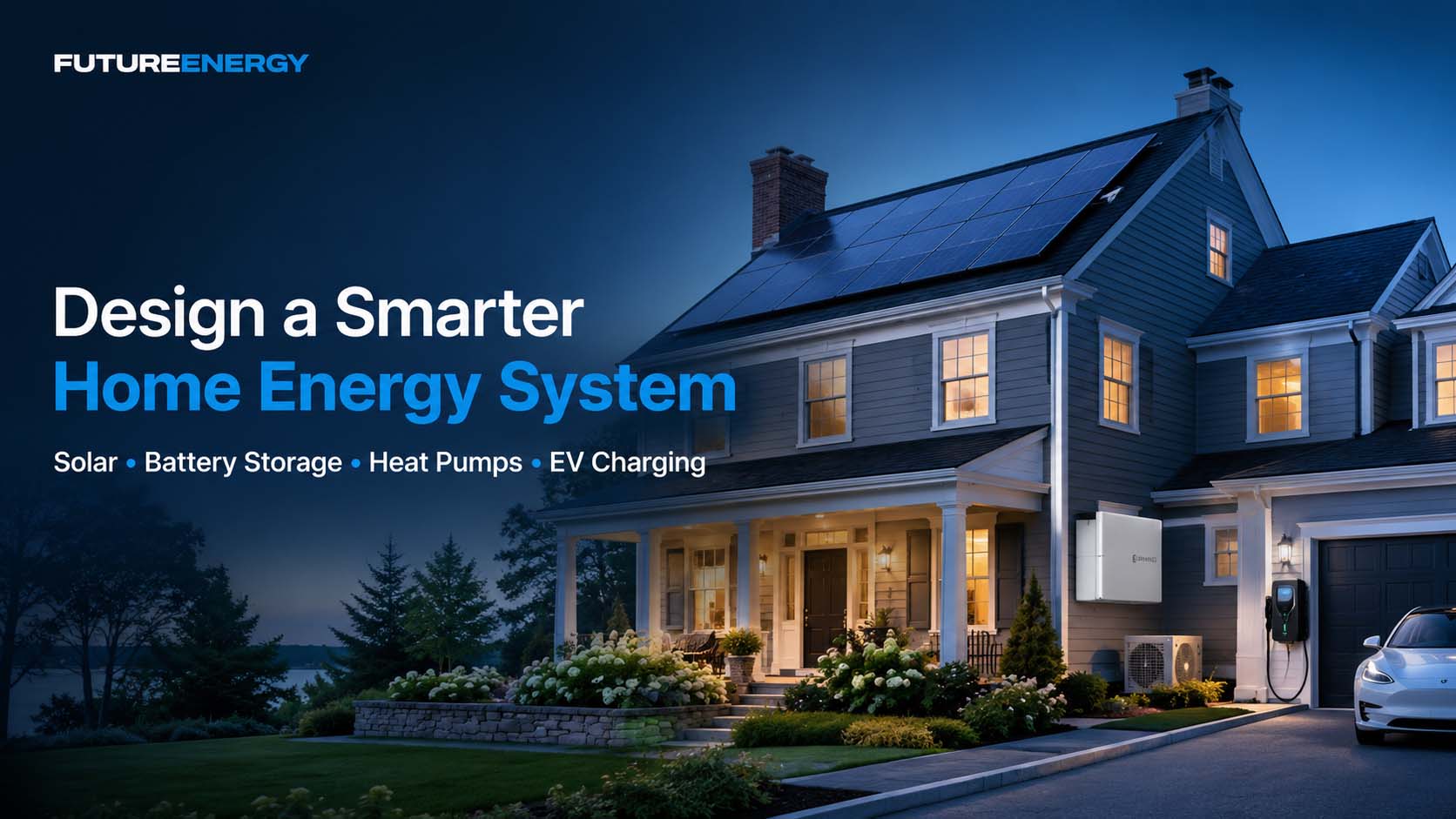
An EV charger can be a natural next step in a whole-home energy plan.
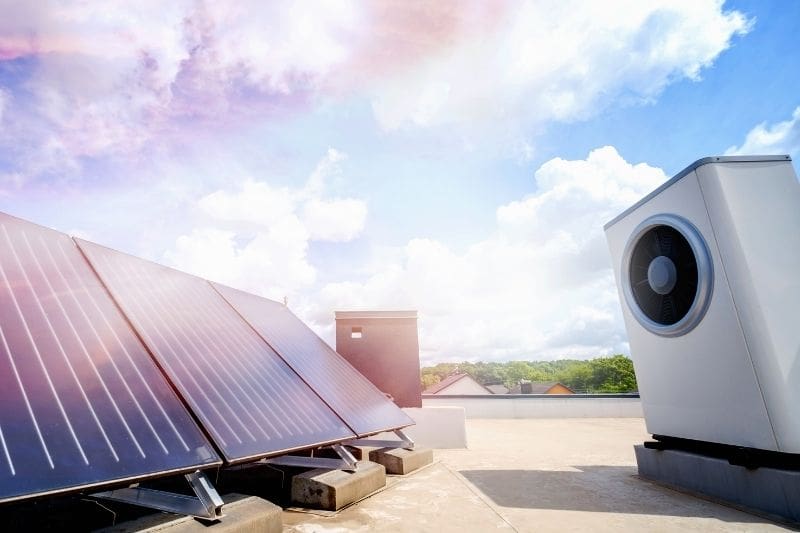
Solar panels can help produce electricity for your home, including some of the energy used for EV charging. Battery storage can add another layer of flexibility by storing energy for later use or backup needs. Smart panels and monitoring tools can help you better understand when and where your home is using the most electricity.
As EV charging can increase evening and peak-hour electricity usage, many homeowners pair EVs with solar and battery storage to help offset charging costs, store excess daytime solar energy, and use that power when utility rates are typically higher.
Together, these solutions can give homeowners more visibility and control over their energy use.
This does not mean every homeowner needs every upgrade at once. Some may start with an EV charger and plan for solar later. Others may already have solar and want to make sure their system is ready for increased usage. The right path depends on your home, your vehicle, and your long-term goals.
Plan for the Future, Not Just Today
One of the most important things to remember is that your energy needs may continue to grow.
You may add a second EV, install a heat pump, upgrade appliances, add battery storage, or make other changes that increase your home’s electric demand. Planning ahead, including considering smart panels or load management solutions, can help your home stay ready as those needs evolve.
A thoughtful installation does more than solve today’s charging needs. It helps prepare your home for the way you may live, drive, and use energy in the years ahead.
Prepare Your Home with Future Energy Solar
At Future Energy Solar, we help Massachusetts homeowners take a smarter approach to home energy. Our team can help you evaluate how an EV charger fits into your home’s electrical system, solar potential, and future energy plans.
Whether you are preparing for your first electric vehicle or building a more complete home energy strategy, we can help you understand your options and make a plan that supports your goals.