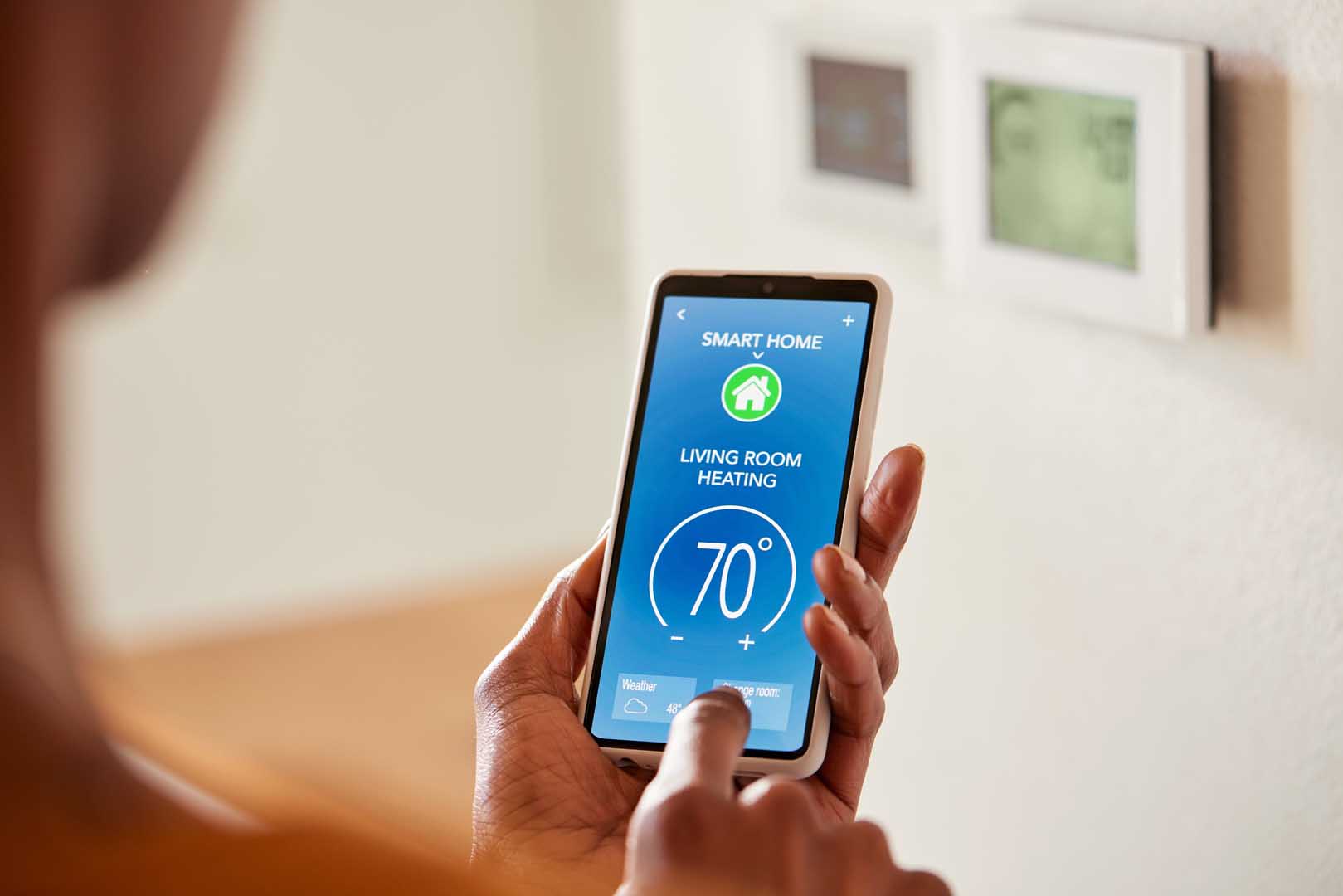



For some homeowners, the goal is not just replacing one piece of equipment. It is improving how the whole home works.
That might mean installing heat pumps, adding solar, planning for battery storage, upgrading the electrical panel, or preparing the home for EV charging. When multiple improvements are being considered together, financing becomes a much bigger part of the conversation.
That is where the Energy Saver Home Loan Program may be worth a closer look.
What the Energy Saver Home Loan Program is
According to Abode Energy, the Energy Saver Home Loan Program, or ESHLP, is designed to help eligible Massachusetts homeowners reduce energy use and reduce or eliminate reliance on fossil fuels. The program provides financing and technical support for qualifying home improvements beyond those covered by other programs such as Mass Save®.
Abode states that the program offers low-interest loans of up to $100,000 for eligible income-qualified owner-occupants, including single-family homes and at least one unit in certain 2-4 family homes, and that qualifying work must demonstrate at least 20% modeled energy savings.
Why this program stands out
What makes this program especially interesting is that it is built for bigger-picture energy upgrades.
Abode’s currently published eligible improvements include:
- ducted and ductless air-source heat pumps
- air-to-water and ground-source heat pumps
- electric panel upgrades and wiring
- EV charging stations
- solar PV
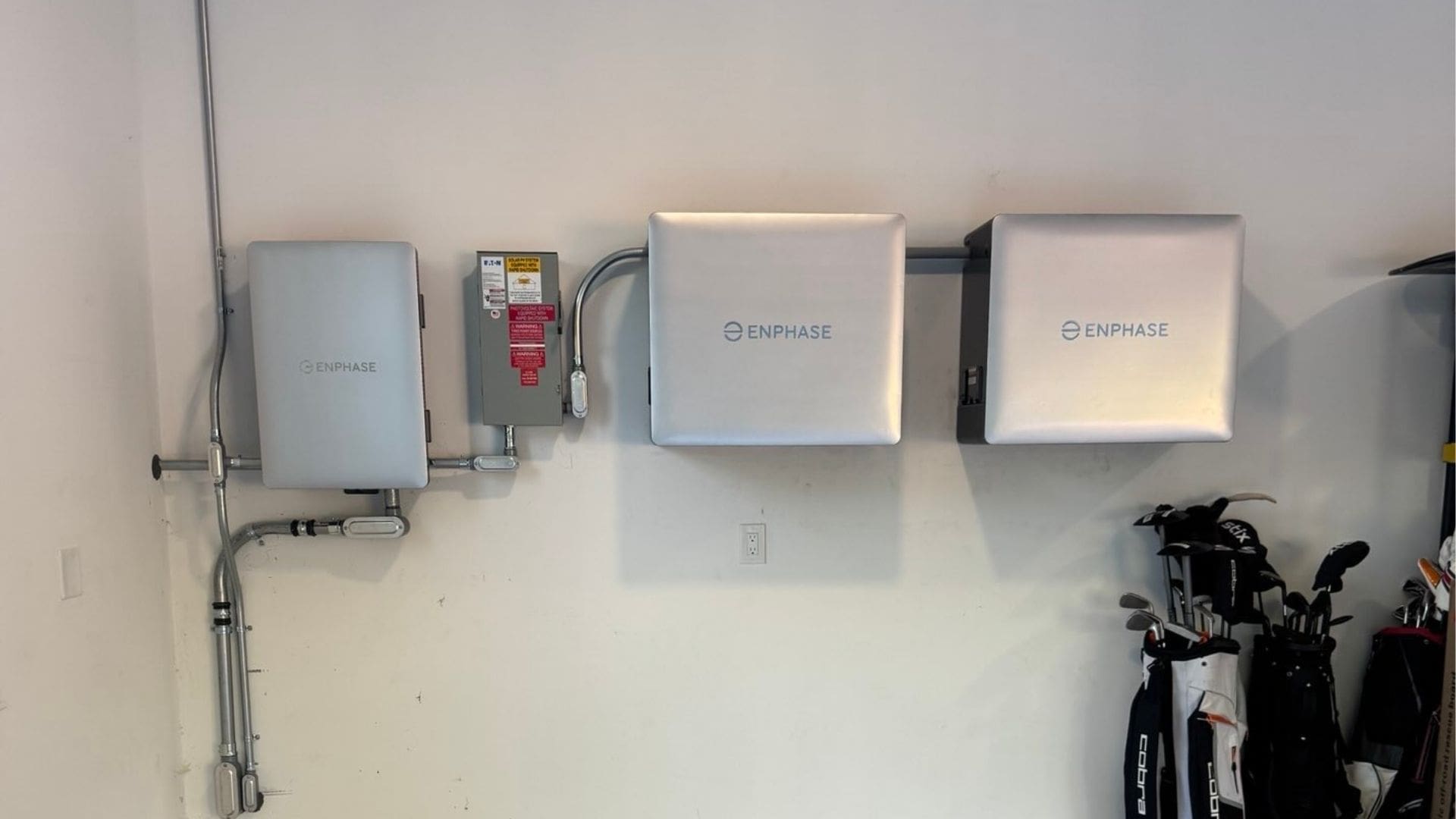
- battery storage
- weatherization-related improvements
- certain roofing, siding, and health-and-safety items that may support the overall project
That opens up a much broader planning conversation for homeowners who want to think strategically about their home instead of tackling one isolated project at a time.
Why bundling upgrades can make sense
A lot of these upgrades work well together.
For example, if a homeowner is moving toward a more electric home, heat pumps may increase electric usage. Solar can help offset that usage. Battery storage can add backup capability and potentially support other energy goals. An EV charger may also fit naturally into that same conversation if the household is already planning for an electric vehicle.
In many homes, an electrical panel upgrade may also be part of making those improvements possible.
Rather than viewing those as separate decisions, some homeowners prefer to evaluate them as one coordinated plan.
Where Future Energy Solar fits in
Future Energy Solar is now a participating contractor in the Energy Saver Home Loan Program and is also part of the Mass Save® Heat Pump Installer Network. That creates a strong opportunity to help homeowners look at projects more holistically.
Instead of only talking about one system, we can help homeowners think through how heat pumps, solar, batteries, and related electrical upgrades may fit together based on the home, the goals, and the available financing paths.
Who should pay attention to this program
This program may be especially worth exploring for homeowners who:
- want to combine multiple improvements into one larger project
- are trying to move away from fossil-fuel-based equipment
- want to improve efficiency and electrification together
- need a financing path that supports more than a single upgrade
That said, ESHLP is not a blanket program for every household. Abode states that it is designed for eligible income-qualified owner-occupants and includes property-type and modeled-savings requirements.
Why this matters for Massachusetts homeowners
Massachusetts homeowners are increasingly looking at the full home energy picture. Rising utility costs, home comfort issues, interest in electrification, and the desire for better long-term predictability are all pushing more households toward bundled upgrades rather than one-off replacements.
Programs like ESHLP can make those larger conversations more practical, especially when the improvements are designed to work together.
A better way to plan a larger upgrade
When multiple systems are involved, the planning process matters just as much as the financing.
A thoughtful project should look at the home’s current conditions, the homeowner’s goals, how the different upgrades interact, and whether it makes sense to phase the work or combine it.
If you are considering heat pumps, solar, battery storage, EV charging, or related upgrades for your Massachusetts home, Future Energy Solar can help you understand what a bundled approach may look like and whether the Energy Saver Home Loan Program may be worth exploring for your project.
Disclaimer:
Energy Saver Home Loan Program eligibility is subject to income limits, property requirements, modeled savings thresholds, lender terms, and current program rules. Not all homes or projects will qualify. Contact Future Energy Solar for more information