


As we continue expanding our services, one area we’re especially excited about is heat pumps.
Many Massachusetts homeowners are looking for ways to improve home comfort, increase energy efficiency, and rely less on oil or gas. For some, that means replacing an outdated heating system. For others, it means adding cooling, addressing temperature inconsistencies in certain rooms, or choosing a more efficient way to heat and cool the home year-round. In many of these cases, heat pumps can be a smart solution.
Here’s how we explain heat pump installation, how these systems work, and where solar can fit into the conversation in a way that is realistic and beneficial for homeowners.
Heat pumps and mini splits: same category, different terminology
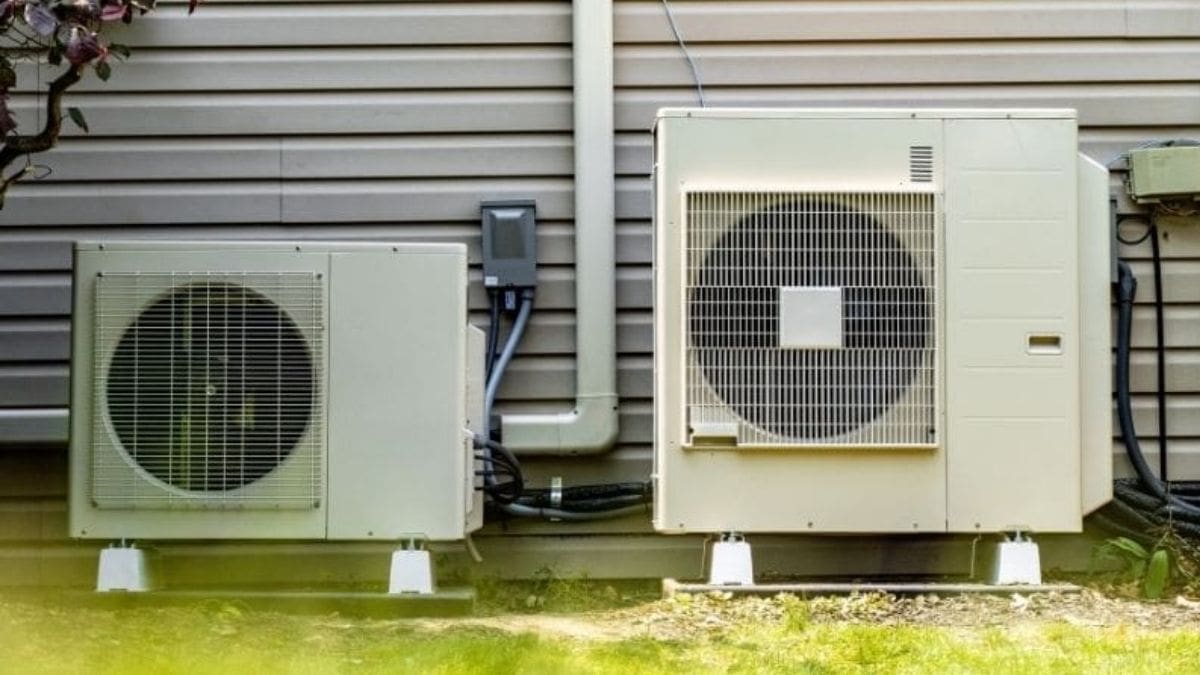
One of the first things we clarify is the terminology. Homeowners often hear both “heat pumps” and “mini splits,” and the two are frequently used interchangeably. In simple terms, mini splits are a type of heat pump system.
The bigger takeaway is that heat pumps can provide both heating and cooling, which makes them especially appealing for Massachusetts homeowners looking for an efficient all-in-one solution. They can be particularly useful for homes that do not have a traditional ducted HVAC system already in place.
We install residential heat pumps for a variety of home layouts
Our focus is on residential heat pump installation. Depending on the home, we can install:
- Ducted heat pumps, when an existing duct system is already in place
- Ductless heat pumps, often referred to as mini splits
- Single-zone systems for one room or area
- Multi-zone systems for multiple rooms or living spaces
A common question homeowners ask is whether a heat pump can handle an entire house. In many cases, yes. Whole-home heat pump solutions are possible, whether that means a ducted setup using existing ductwork or a ductless configuration designed to serve multiple areas of the home.
Where solar fits in: helping offset increased electric usage
One of the reasons heat pumps and solar can work so well together is that heat pumps run on electricity.
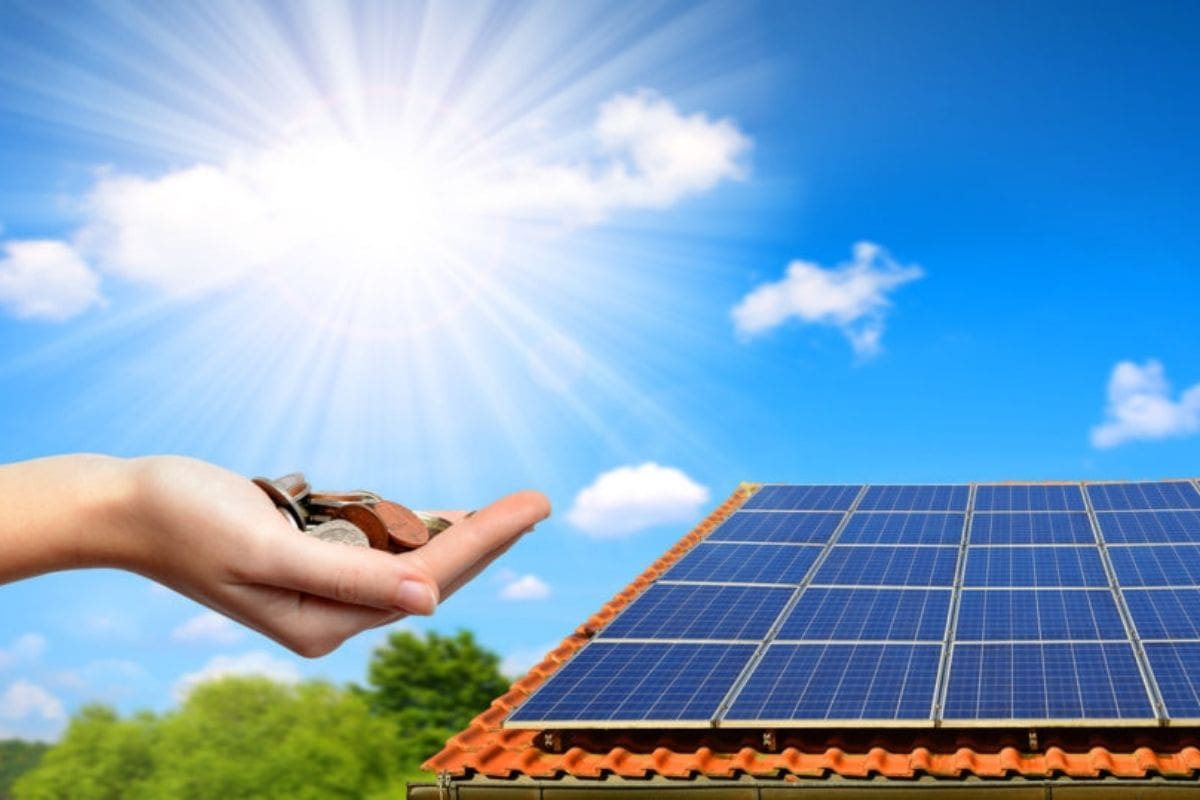
For homeowners who are already considering solar, adding heat pumps can be a natural next step. We can review current energy usage, estimate how much additional electricity the heat pump system may require, and then size a solar system to help offset that increased demand.
It is about planning with the full picture in mind so homeowners can understand how adding more electric-powered equipment may impact their usage and how solar can help offset it.
If you already have solar, heat pumps may be a smart next upgrade
Heat pumps can also be a strong option for homeowners who already have solar installed.
If your home already benefits from solar production, adding a heat pump may be a practical way to improve comfort while making greater use of that electricity. For many homeowners, heat pumps are one of the most common next steps when they begin moving toward a more electric-powered home.
Heat pump installation is also available as a standalone service
Not every homeowner interested in heat pumps is also a good fit for solar, and that is completely fine.
We can install heat pumps as a standalone service for homeowners who simply want to improve their heating and cooling system. Whether the goal is better comfort, better efficiency, or a replacement for an older system, heat pumps can still make sense even without pairing them with solar.
Common reasons Massachusetts homeowners consider heat pumps
There are several common reasons homeowners start exploring heat pump installation, including:
- Replacing outdated oil-based heating
- Moving toward an all-electric home
- Adding heating and cooling to a room that does not currently have it
- Adding cooling to a home without central AC
Some homeowners are looking for a whole-home solution, while others only want to improve comfort in one or two areas. Heat pumps can support both approaches, depending on the home’s layout and the homeowner’s goals.
If you’re considering heat pumps and want to understand whether a ducted or ductless system makes more sense for your home, we’d be happy to talk it through. And if you’re also exploring solar, we can help you understand how it may offset the increased electric usage and what a realistic setup could look like. Contact our team today to get started!