


When people start researching solar panel installation in Massachusetts, one of the first concerns we hear is simple: “How long is this going to take, and am I going to be able to get someone on the phone if I have questions?”
That’s exactly why, as a company, our mission has been to be the most responsive solar company in the industry.
To us, “responsive” is not just answering messages quickly. It’s also about keeping your project moving so you are not stuck waiting behind a huge backlog. We see it all the time in this industry: some companies take on a ton of jobs, and then homeowners end up waiting months just to get scheduled. Our goal is the opposite. Once you sign your contract, we want the process to move forward in a clear, organized way, with real updates and real people you can reach.
Here’s what that looks like in practice.
Step 1: We start with a fast, thorough site survey
Before we even get into engineering and design, we do a site survey to make sure the home is actually a good fit. A big part of that is the roof. We assess whether the roof can handle the load of the panels and whether the roof condition is going to cause issues.
If a roof is too old, has problems, or we expect it will create issues for permitting or long-term performance, we will not push the job through anyway. Instead, we will recommend replacing the roof first. We do not replace roofs ourselves, but we can refer you to a roofer we work with, or you can use your own roofer.
Step 2: We push the utility interconnection process forward
Once the site survey checks out, we apply for the interconnection with the utility. This is a key step because solar ties into the grid, and the grid needs to support it. We work to get that interconnection submitted and moving as quickly as possible.
Step 3: Engineering design and permitting
We work with our engineers to get your system design completed and approved. Then we move through the permitting phase. This is another area where projects can stall if a company is overloaded or slow to respond to requests, documents, and corrections. Our goal is to stay on top of it so your project keeps moving.
Step 4: Install scheduling and the actual install
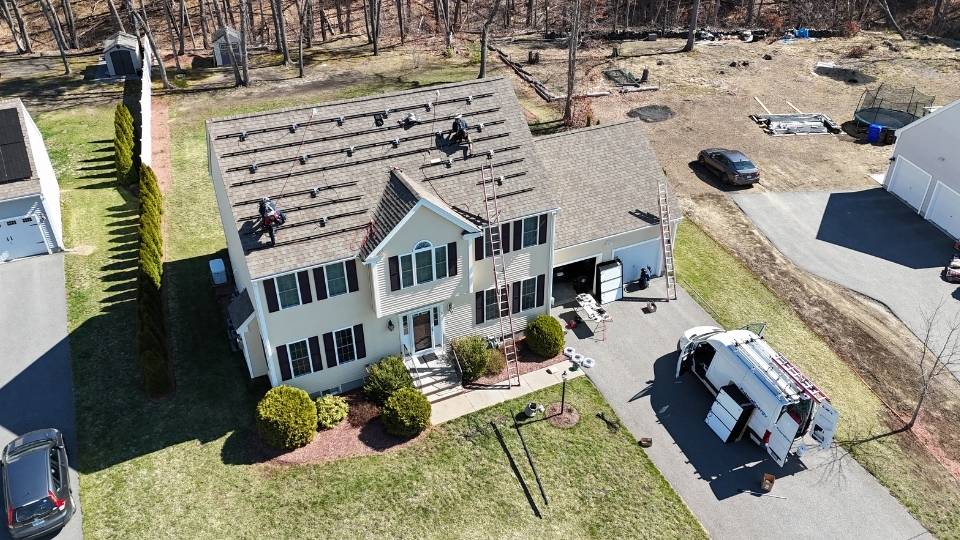
After permits and interconnection are approved, we schedule your install. In many cases, the install itself is usually about one day, depending on the scope. If the project is larger and includes battery storage or additional components, it can take two or three days.
Step 5: Permission to Operate (PTO)
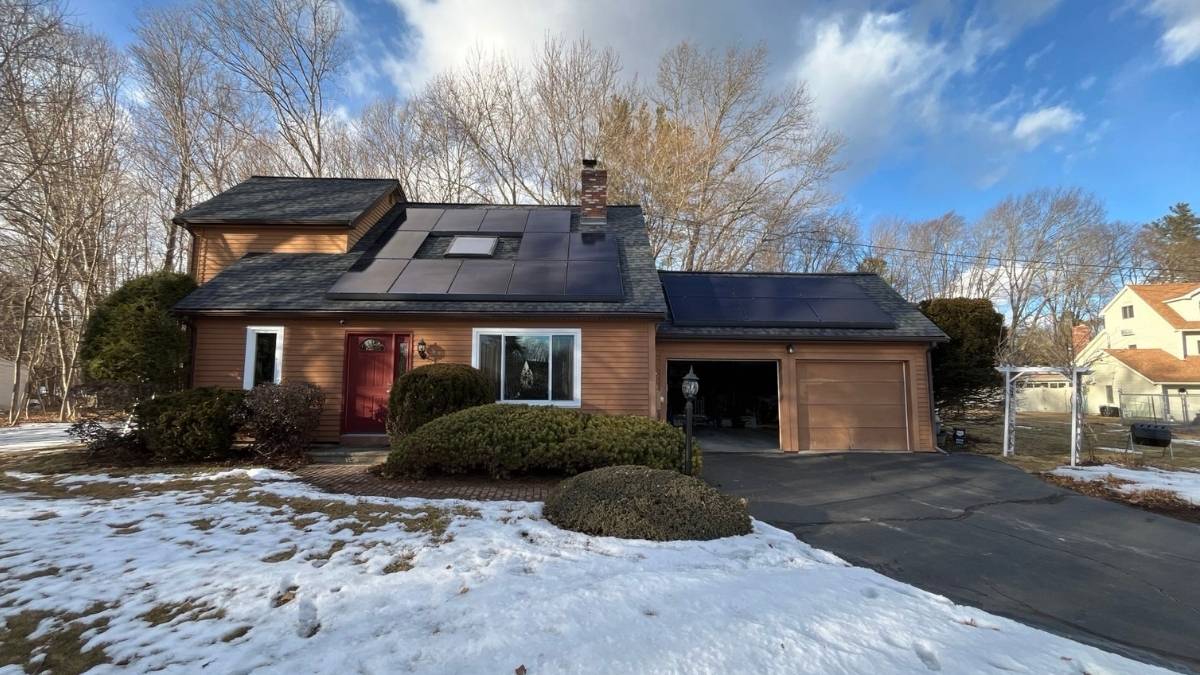
After installation, the final step is getting the system connected to the grid, which is often referred to as “permission to operate.” Once you have PTO, your system is ready to run as intended.
What responsiveness looks like during and after installation
For us, being responsive also means being available throughout the process and after the system is running. Questions come up. Sometimes something feels unclear. Sometimes a homeowner just wants confirmation they are understanding a step correctly. We take that seriously.
And if there is an issue after install, our aim is to be out the same day to take a look and fix it.
We also back the system with strong warranties, including manufacturer warranties on panels and inverters, plus our own workmanship warranty. Those warranties matter, but day-to-day, homeowners tell us the thing they appreciate most is how hands-on we are, how involved we stay, and how quickly we respond.
That combination is what we mean when we say “responsive.” Not rushed, not pushy, and not hard to reach. Just a clear process, quality work, and a team that stays engaged.
We’re happy to walk through your questions and explain what the process typically looks like for your home, step by step, so you can make an informed decision. Contact our team for a free solar quote.